

Problemas
Electrificación y previo
Piezos, undersaddle, soundboards y previos embarcados fallan de forma distinta a una pastilla magnética. Diagnosticamos captación, mezcla y alimentación en el instrumento. · 47 problemas documentados
Contexto
Qué cubre esta categoría
Electrificar una acústica o un instrumento híbrido introduce piezoeléctricos, transductores de tapa, micros internos, previos con EQ y alimentaciones por batería o phantom. Los síntomas típicos —golpe de dedo exagerado, feedback, señal que muere al sentarse, batería que no dura, mezcla desequilibrada— no se arreglan con la lógica de una Stratocaster.
En Raven tratamos la electrificación como sistema: captación + previo + jack/endpin + masa + cómo se acopla al cuerpo. No instalamos «el piezo más barato que quepa» sin mirar la cejilla o la tapa, ni culpamos al músico de feedback sin revisar ganancia, colocación y apantallado. Taller independiente: trabajamos lo que hay y lo que tiene sentido añadir.
Esta categoría orienta sobre piezo, transductores, previos y alimentación embarcada. La comprobación se hace en taller, a ser posible con tu cable y escenario de uso.
La instalación de un sistema desde cero exige carpintería cuidadosa: endpin, batería, calas de cejilla, rutas de cable. Una instalación torcida se nota años en feedback y servicio. Cuando ya hay sistema, preferimos diagnosticar y reparar antes de «tirar y poner otro» salvo que el hardware esté agotado o sea incompatible con tu uso.
Los sistemas con micrófono interno más piezo piden un equilibrio distinto en escenario y en estudio. Un notch mal puesto o una fase rara entre cápsulas puede parecer «mal piezo». Revisamos la cadena completa —capturas, pre, DI, monitor— antes de condenar la instalación del instrumento.
Orientación
Qué tipo de problemas encontrarás aquí
Grupos:
- Señal débil, desigual o con «quack» — piezo mal asentado o cejilla irregular.
- Feedback y realimentación — ganancia, mic interno, tapa o huecos.
- Fallos de previo y EQ — controles muertos, distorsión del pre, ruidos.
- Alimentación — batería, disconnect, phantom, polaridad.
- Endpin jack y cableado — cortes al mover el cable o al sentarse.
Entradas útiles
Empieza por aquí
- Problema de fase entre captadores
- Acople microfónico de cubierta de humbucker
- Sistema sustainer con funcionamiento irregular
- E-Bow o sustainer afectado por ajuste magnético
- Sistema piezo-magnético con desfase audible
- Varitone con posiciones sin señal
- Sustainer mal balanceado
- Preamplificador activo de bajo sin salida
Diagnóstico
Un mismo síntoma puede tener varias causas
Un corte al sentarse suele ser el endpin jack o un cable interno pillado, no «el piezo». Un sonido fino y nasal puede ser EQ del previo, asiento de la cejilla o un undersaddle mal repartido. El feedback puede ser el mic de caja… o un piezo a ganancia absurda frente a un monitor.
Por eso separamos captación, previo y mecánica del jack antes de cambiar el sistema entero.
Distorsión al tocar fuerte puede ser el pre saturando, una batería justa o un jack intermitente. Se aísla bajando ganancia y midiendo tensión antes de culpar al piezo.
Revisión
Qué se revisa en el taller
Revisamos:
- Señal en crudo (bypass si existe) frente a señal con previo.
- Asiento de piezo/transductor y estado de la cejilla o punto de contacto.
- Batería, disconnect y tensión bajo carga.
- Endpin jack, soldaduras y continuidad de masas.
- Comportamiento de EQ y posibles ruidos de potenciómetros del pre.
- Tendencia a feedback en condiciones controladas de taller.
Probamos señal con batería conocida buena y cable conocido. Si hay blender, verificamos ambos caminos. En undersaddle, la regularidad de altura de cuerda sobre el piezo es parte del diagnóstico sonoro: una cejilla mal asentada no la salva el EQ.
Esta información orienta. El diagnóstico definitivo depende del instrumento concreto.
Precaución
Cuándo conviene no seguir manipulando el instrumento
No fuerces cejillas con piezos mal dimensionados ni inyectes pegamentos bajo la cejilla sin plan de salida. Evita alimentar previos con polaridad invertida o baterías hinchadas.
Si el previo huele a quemado, la batería está deformada o hay chispas en el jack, deja de conectar a PAs y pásalo por taller.
No fuerces una batería hinchada dentro del compartimento ni la tires al cubo sin criterio de residuo. Si el endpin jack gira al enchufar, deja de insistir: puedes romper el cable interno y dejar la guitarra muda en el peor momento.
47 problemas
Problemas en esta categoría
Phase problem between pickups
Technical condition: phase problem between pickups. It must be confirmed through diagnosis and not just by the symptom.
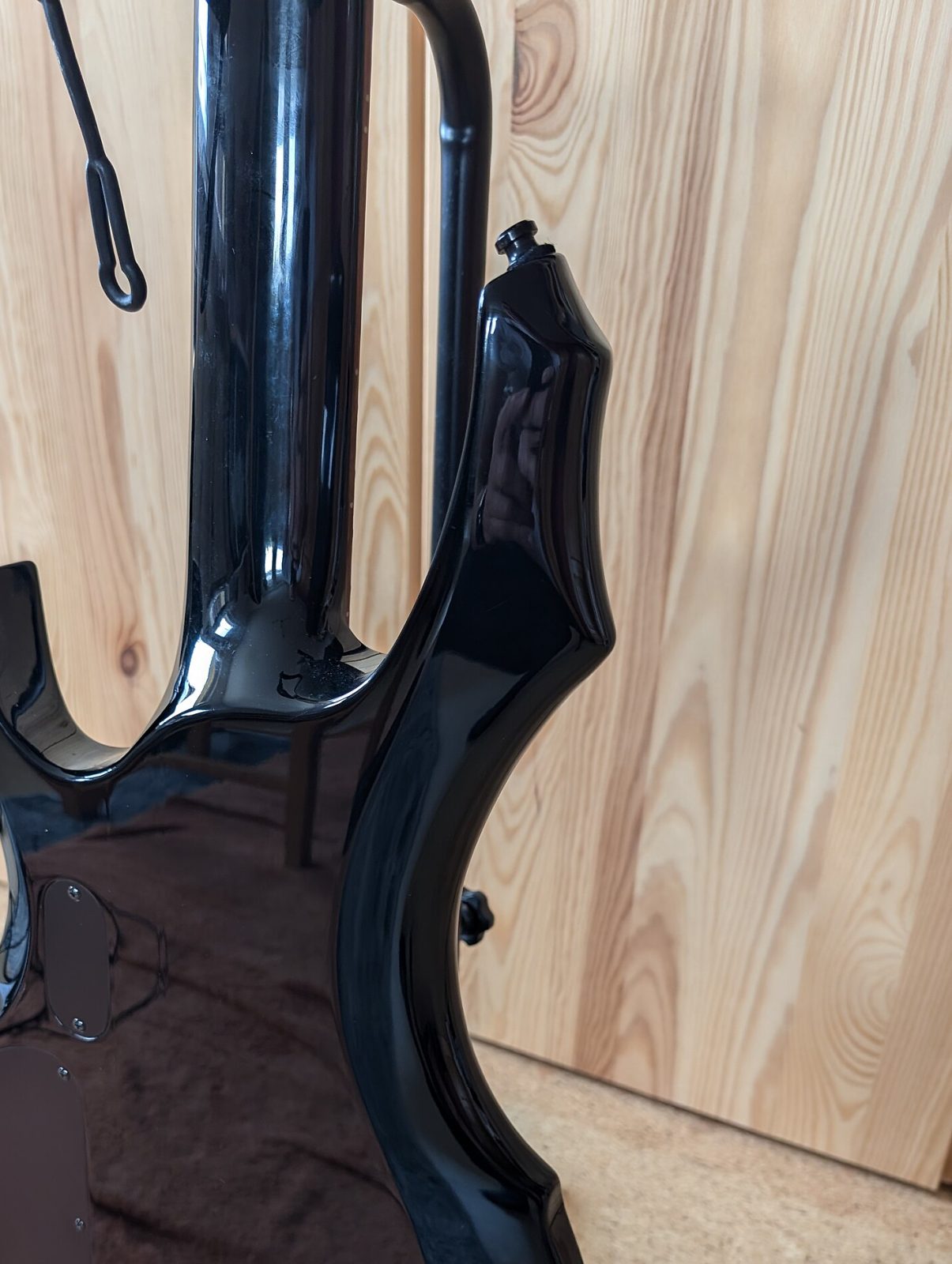
Cover microphone humbucker feedback
Technical condition: microphone pickup of humbucker cover. Must be confirmed through diagnosis and not just by the symptom.
Irregular sustain system
Technical condition: sustainers system with irregular function. It must be confirmed through diagnosis and not just by the symptom.
E-Bow or affected sustainer by magnetic setup
Technical condition: E-bow or sustainer affected by magnetic setup. It must be confirmed through diagnosis and not just by the symptom.

Piezo-magnetic system with audible phase shift
Technical condition: piezo-magnetic system with audible phase shift. It must be confirmed through diagnosis and not just by the symptom.
Varitone with no signal positions
Technical condition: Varitone with no signal positions. It must be confirmed through diagnosis and not just by the symptom.
Unbalanced sustainer
Technical condition: unbalanced sustainer. It must be confirmed through diagnosis and not just by the symptom.
Active bass preamp no output
Technical condition: active bass preamp without output. Must be confirmed through diagnosis and not just by the symptom.
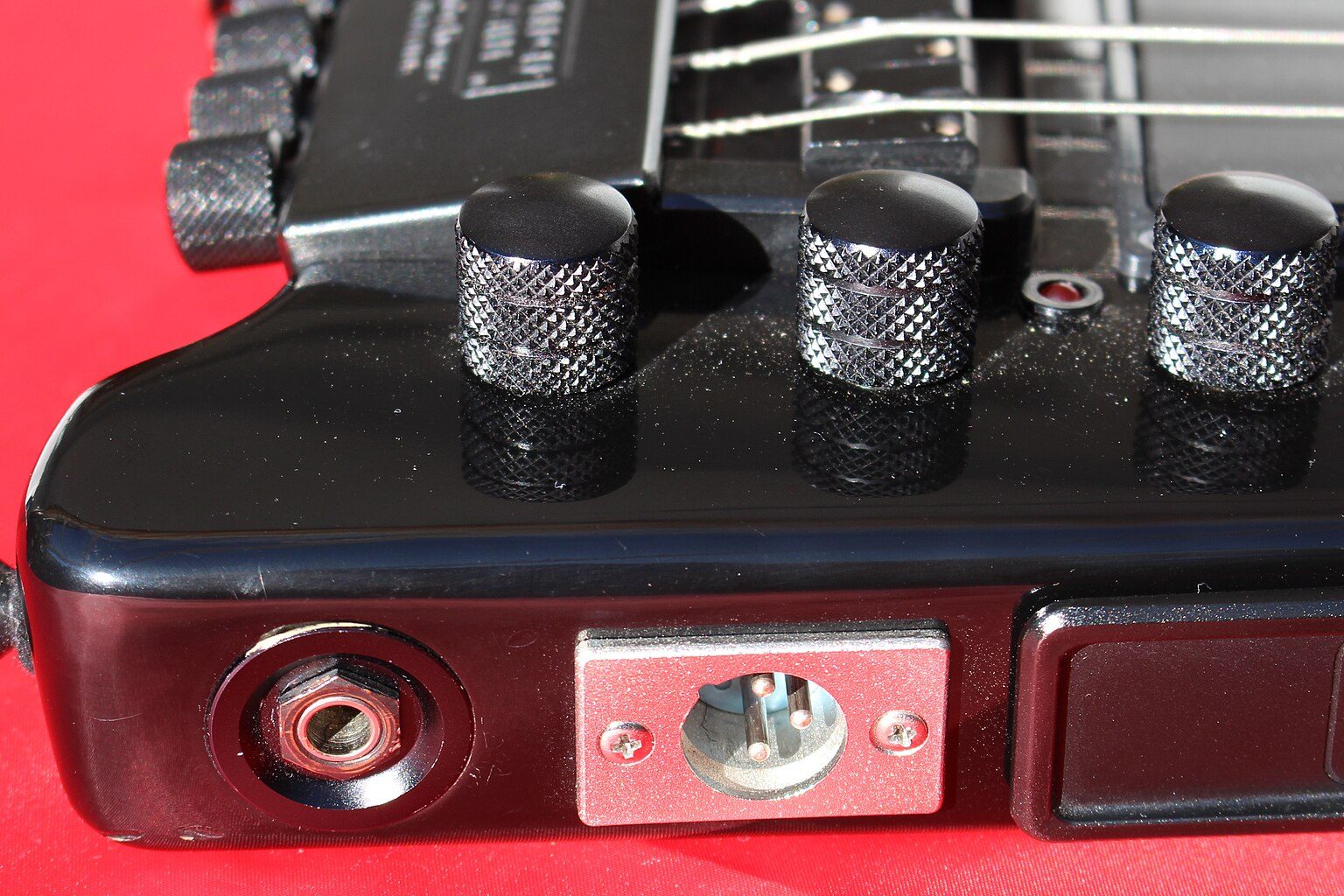
Active saturated bass preamp
Technical condition: saturated active bass preamp. Must be confirmed through diagnosis and not just by the symptom.
Distortion due to a dead battery in the preamp active
Technical condition: distortion due to a dead battery in the preamp active. It must be confirmed through diagnosis and not just by the symptom.
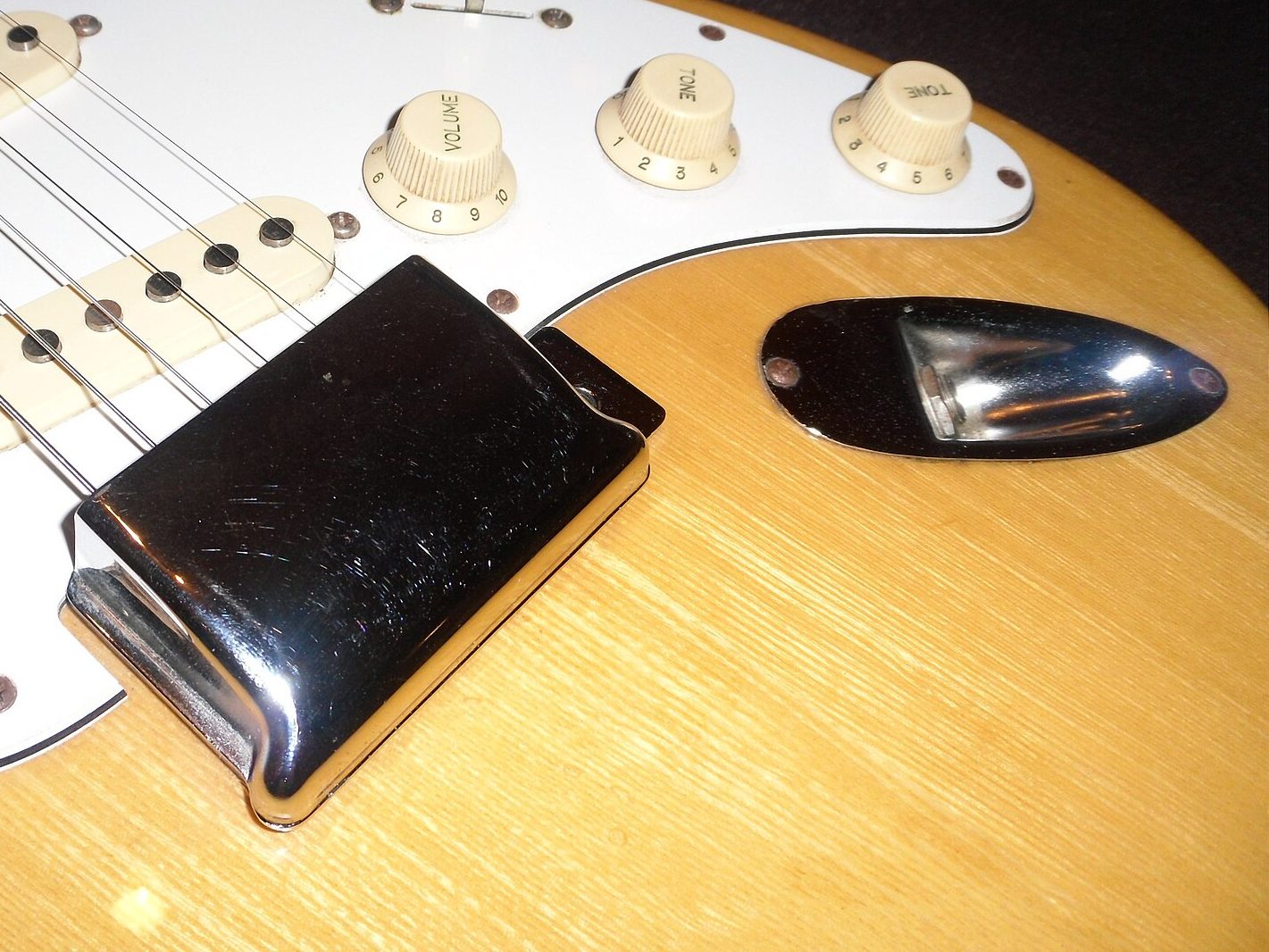
Optical or piezo system of bass not properly calibrated
Technical condition: improperly calibrated bass optical or piezo system. It must be confirmed through diagnosis and not just by the symptom.
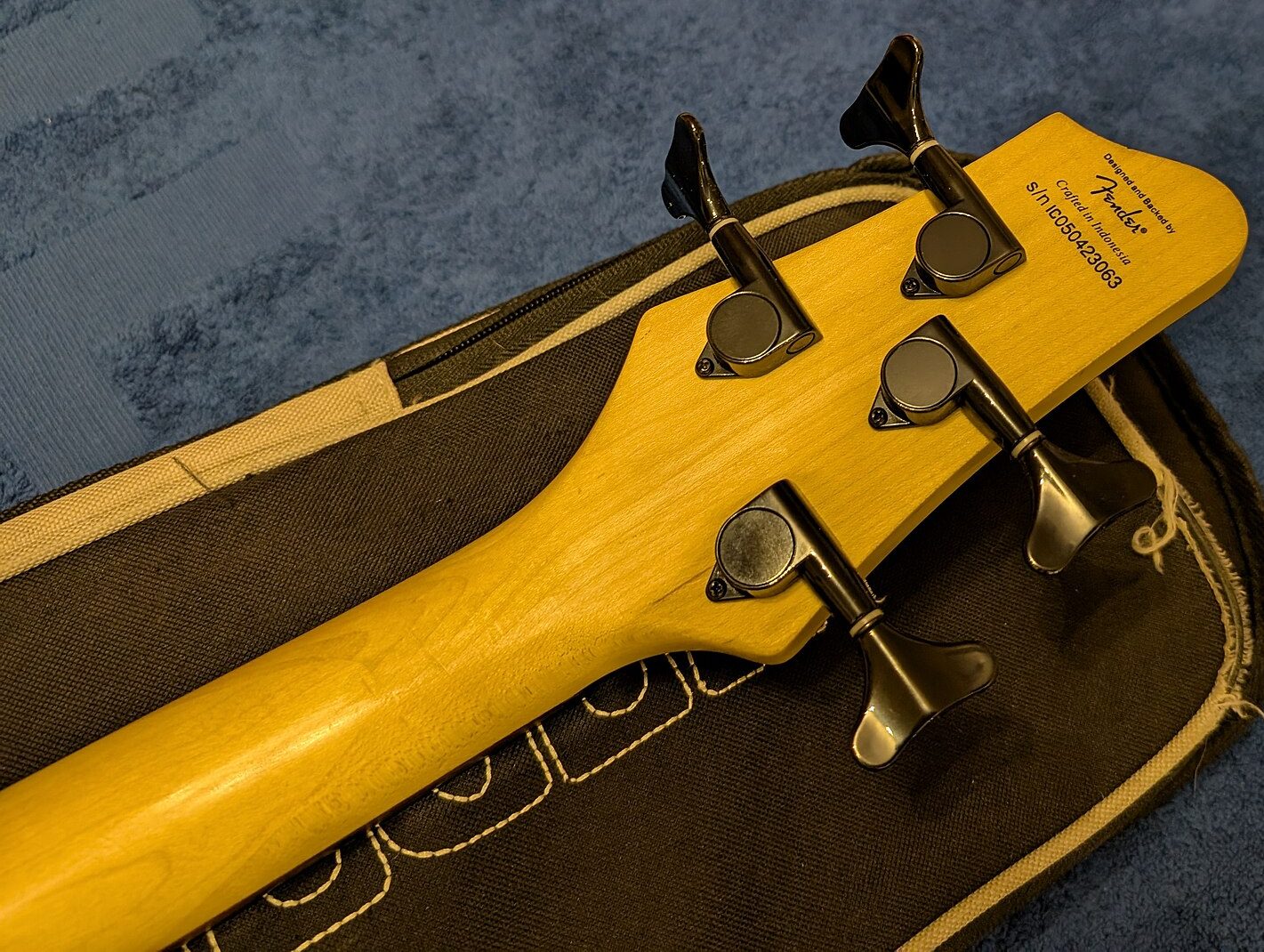
Hum-cancelling J with a failed secondary coil
Technical condition: hum-cancelling j with a failed secondary coil. It must be confirmed through diagnosis and not just by the symptom.
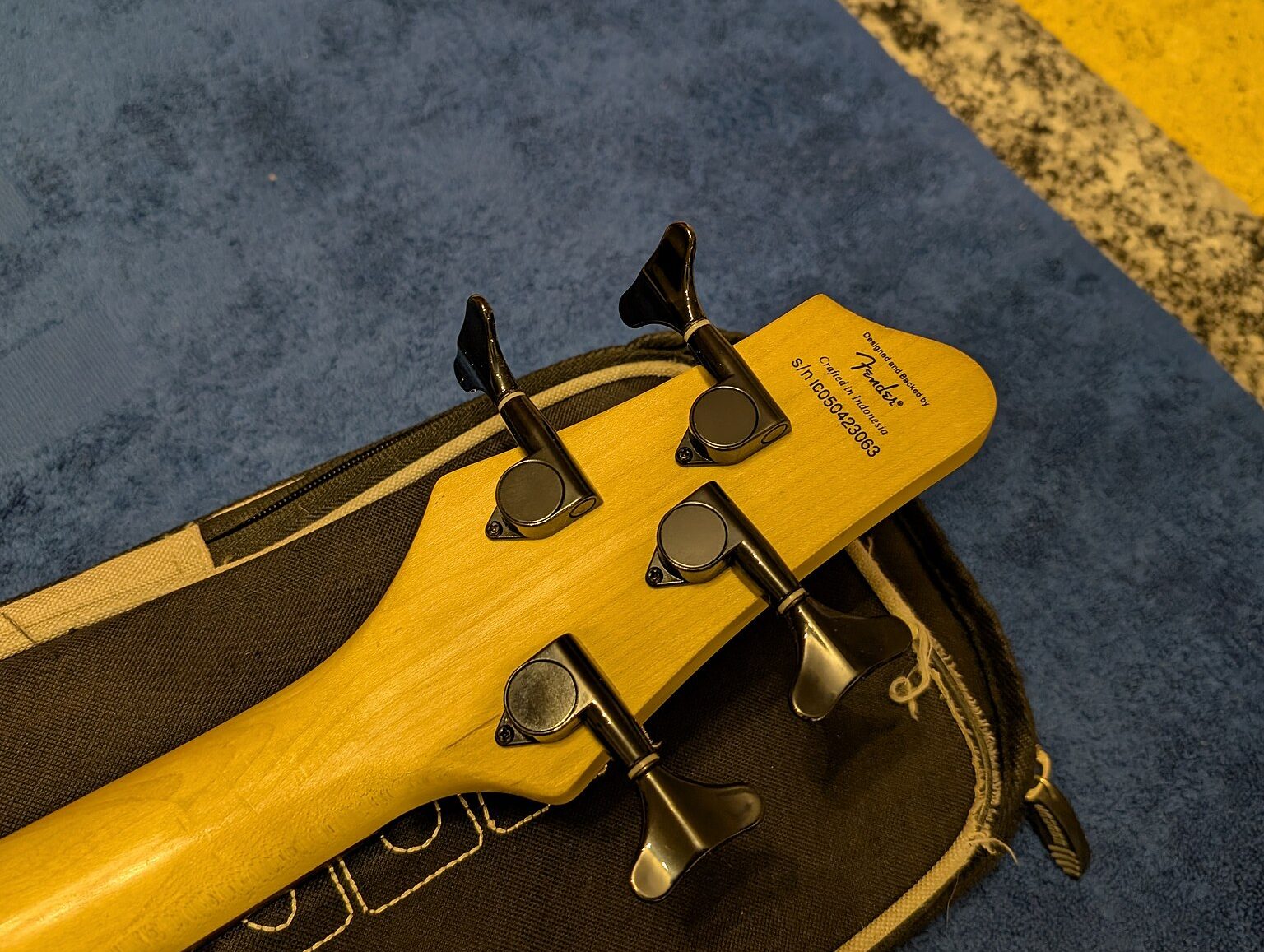
Preamp with incorrect center frequency
Technical condition: preamp with incorrect center frequency. It must be confirmed through diagnosis and not just by the symptom.
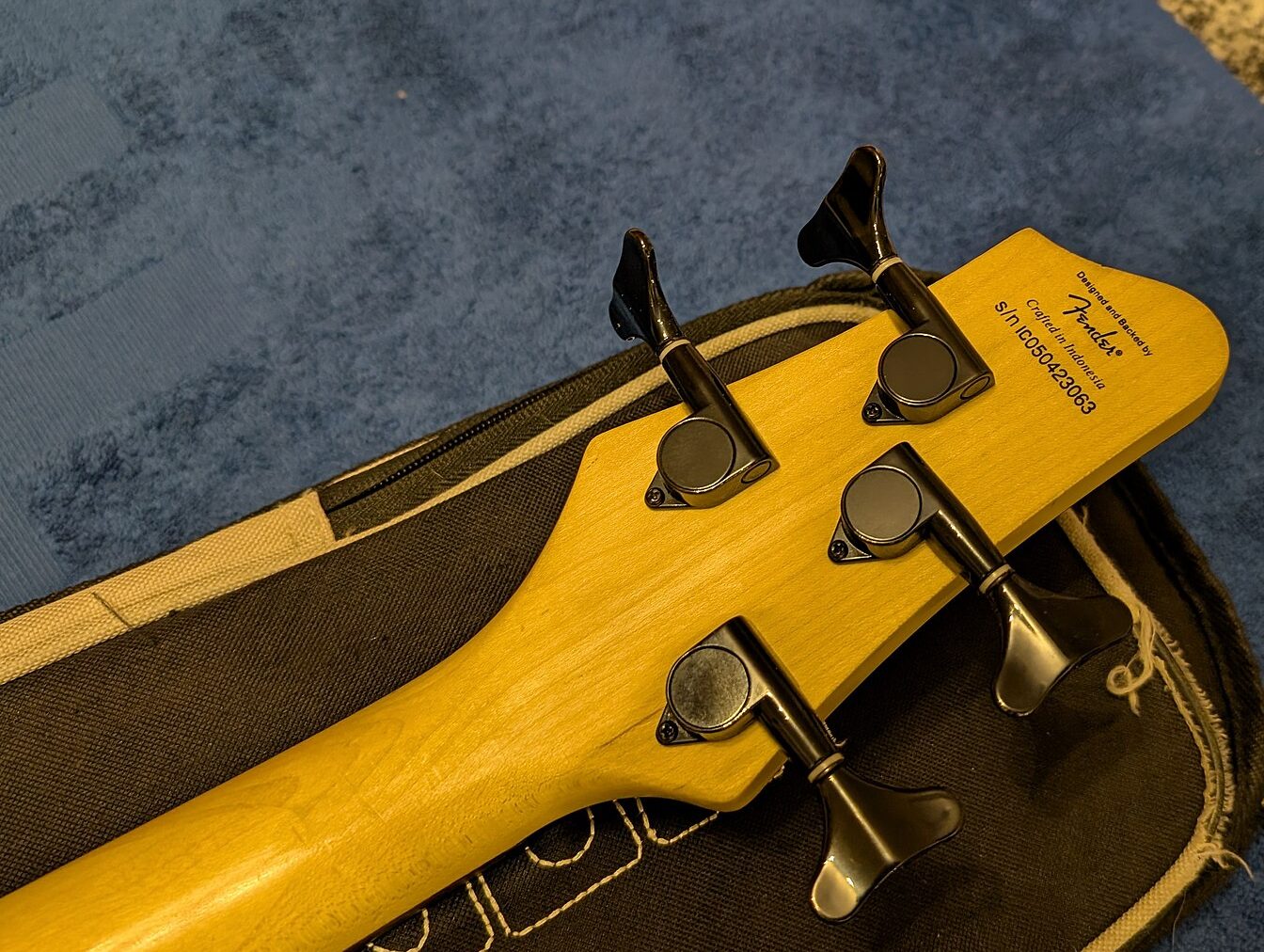
Stacked pot EQ with a damaged section
Technical condition: stacked EQ pot with a failed section. It must be confirmed through diagnosis and not just by the symptom.
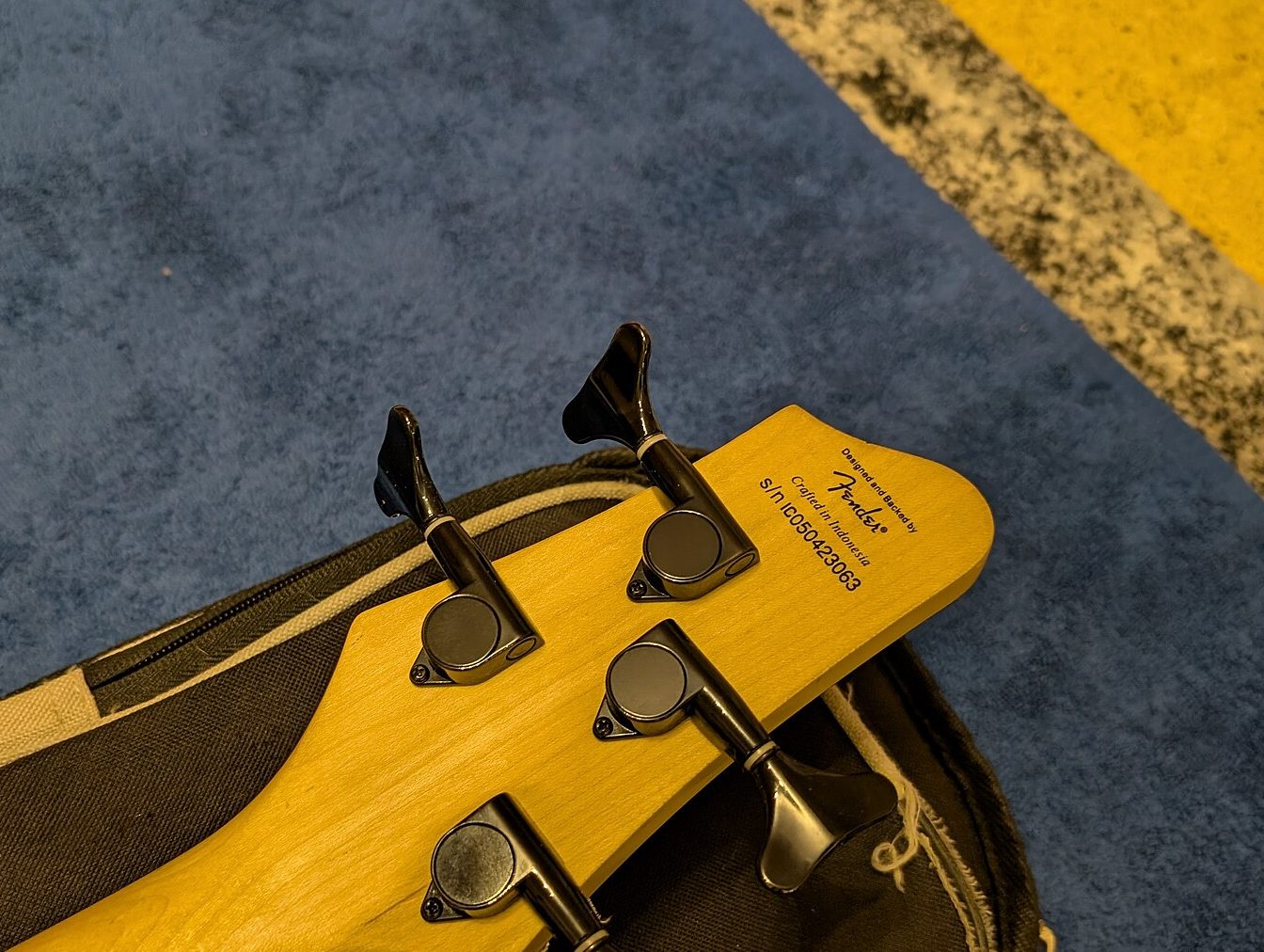
Unstable parameter control
Technical condition: unstable parametric control. It must be confirmed through diagnosis and not just by the symptom.
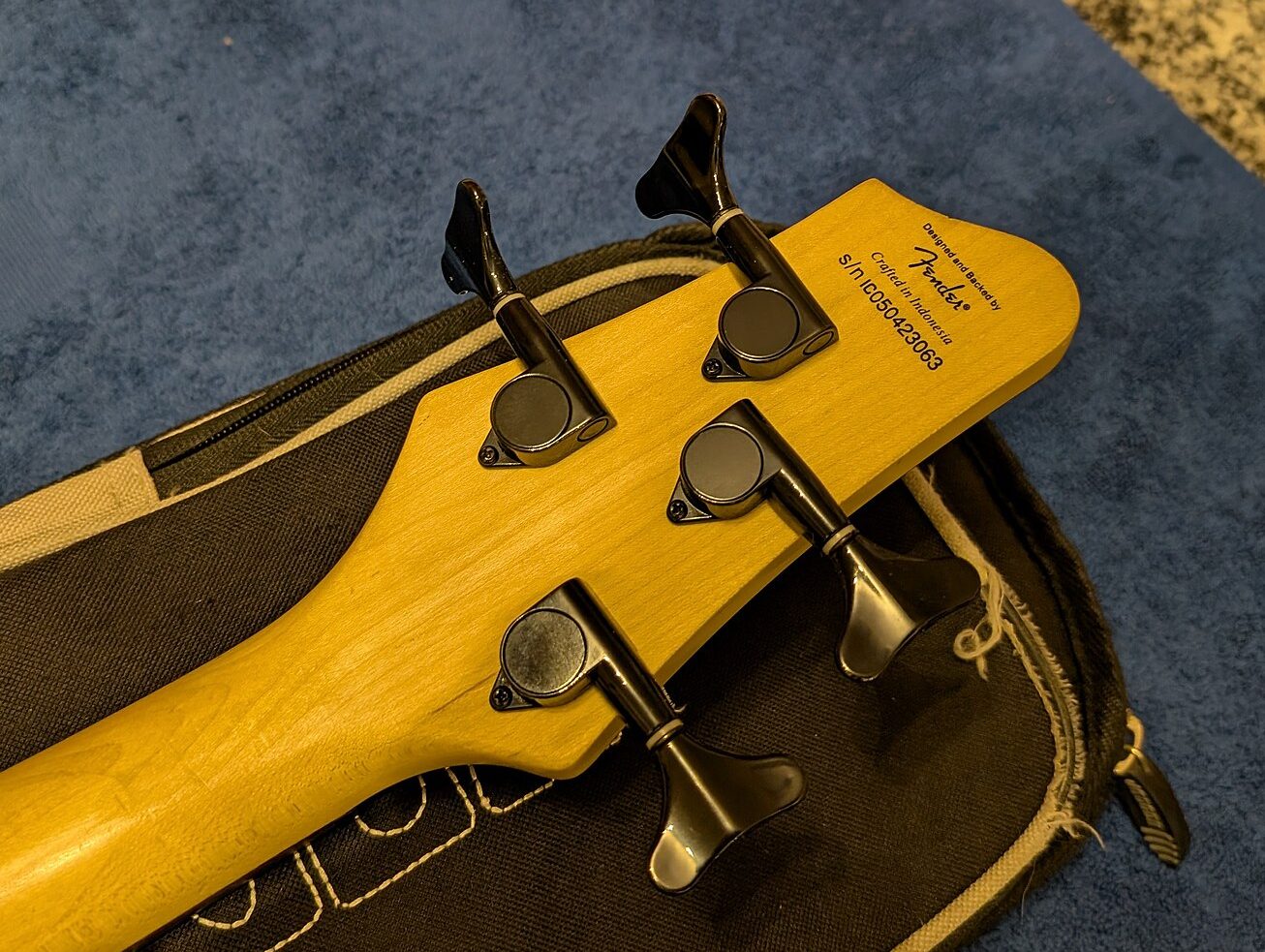
Active low-pass filter with no full sweep
Technical condition: active low-pass filter without full sweep. It must be confirmed through diagnosis and not just by the symptom.

Phantom power incompatible with embedded electronics
Technical condition: phantom power incompatible with embedded electronics. It must be confirmed through diagnosis and not just by the symptom.
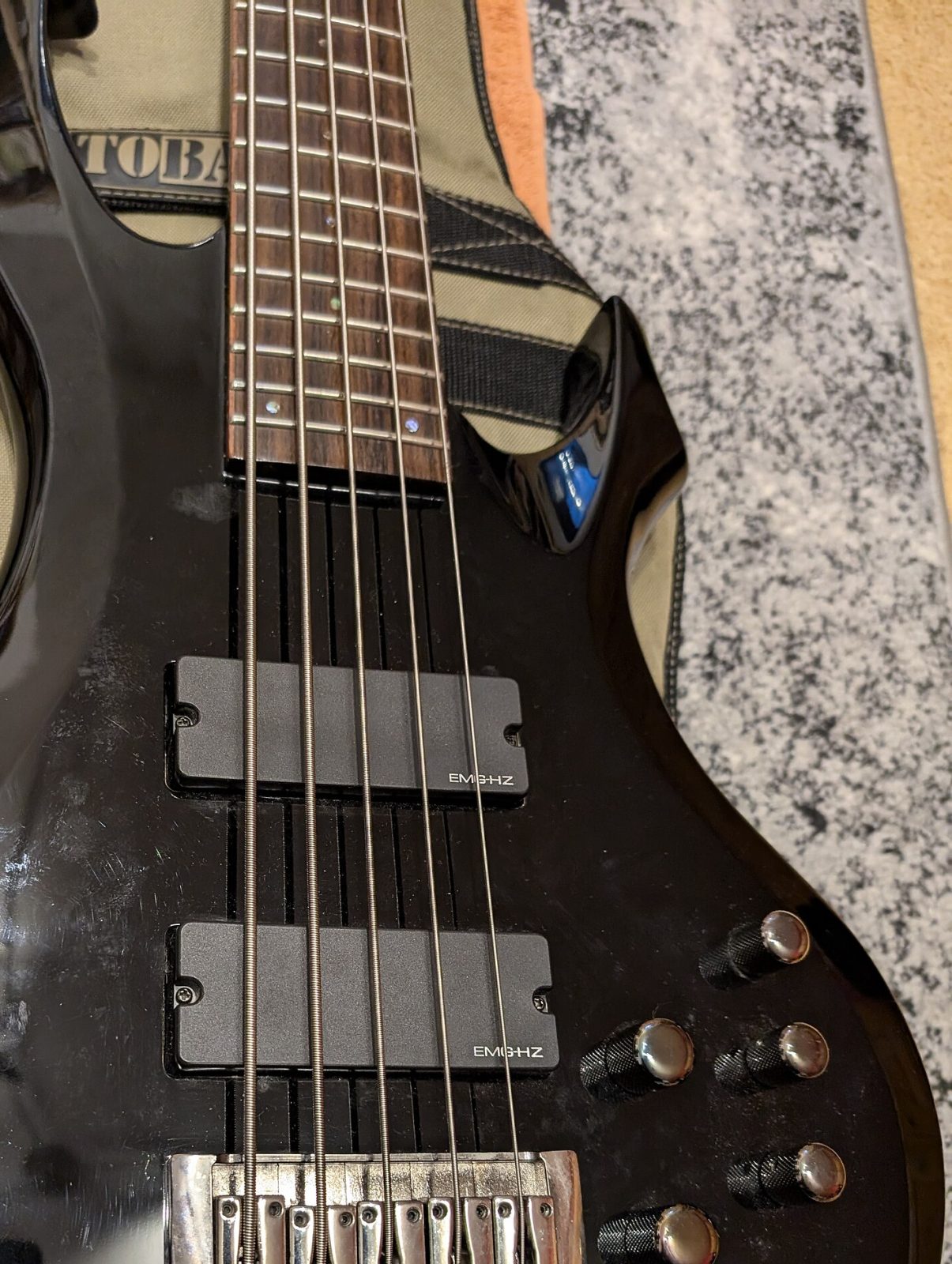
Excessive output saturates the external input
Technical condition: excessive output saturates the external input. It must be confirmed through diagnosis and not just by the symptom.
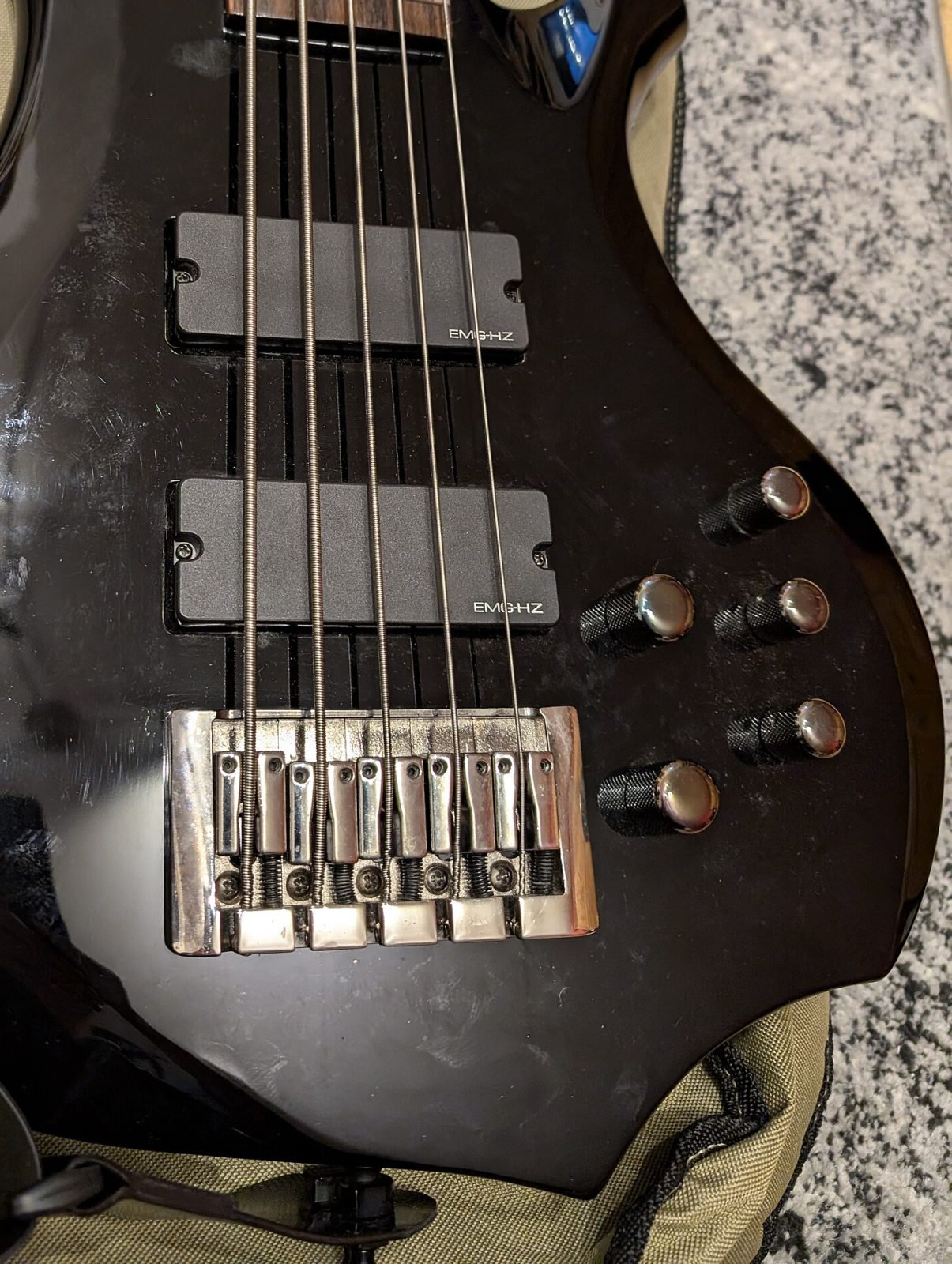
Insufficient output due to active-passive mix
Technical condition: insufficient output due to active-passive mix. It must be confirmed through diagnosis and not just by the symptom.
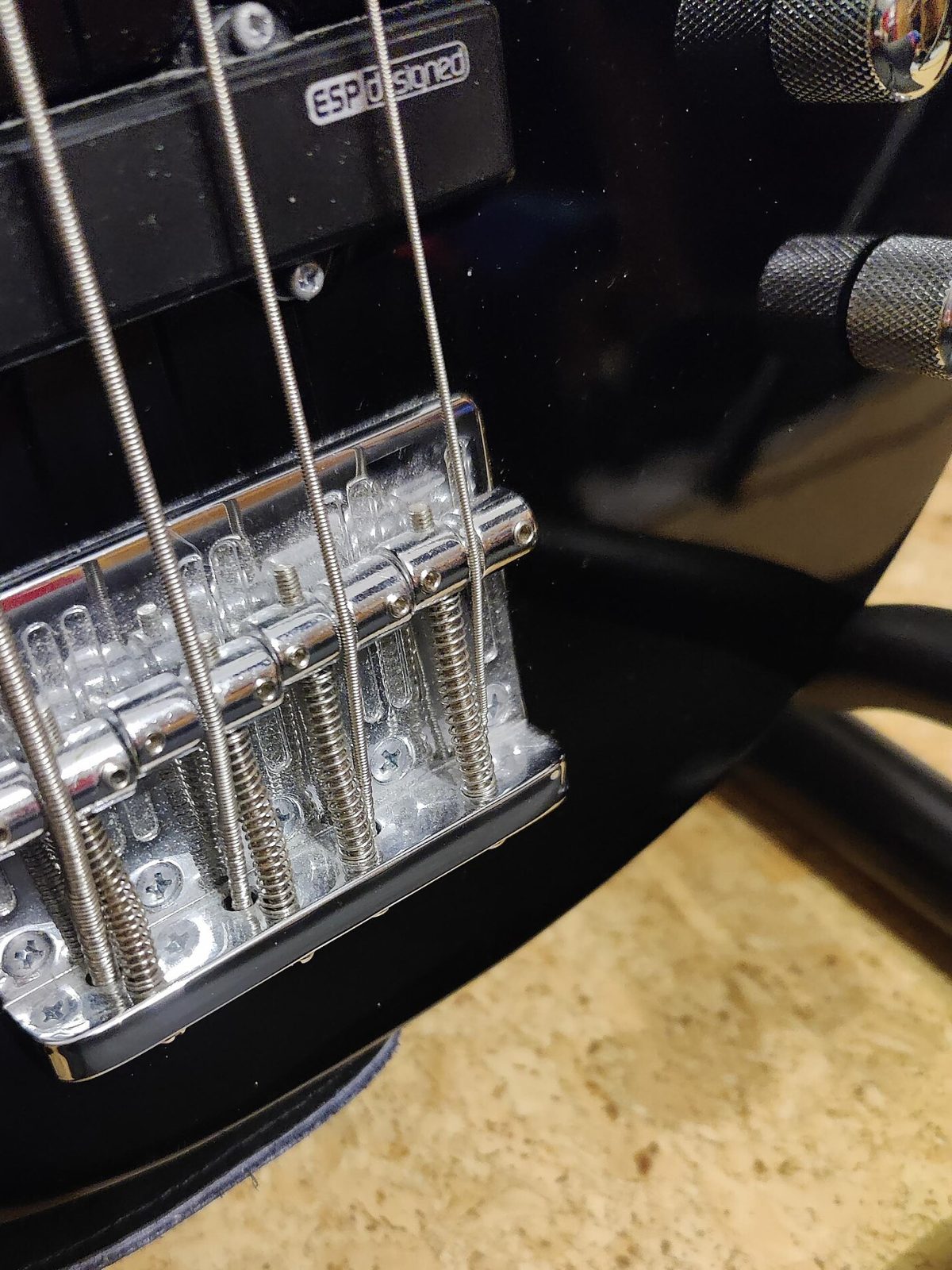
Semi-hollow bass with uncontrollable feedback
Technical condition: semi-hollow bass with uncontrolled feedback. It must be confirmed through diagnosis and not just by the symptom.
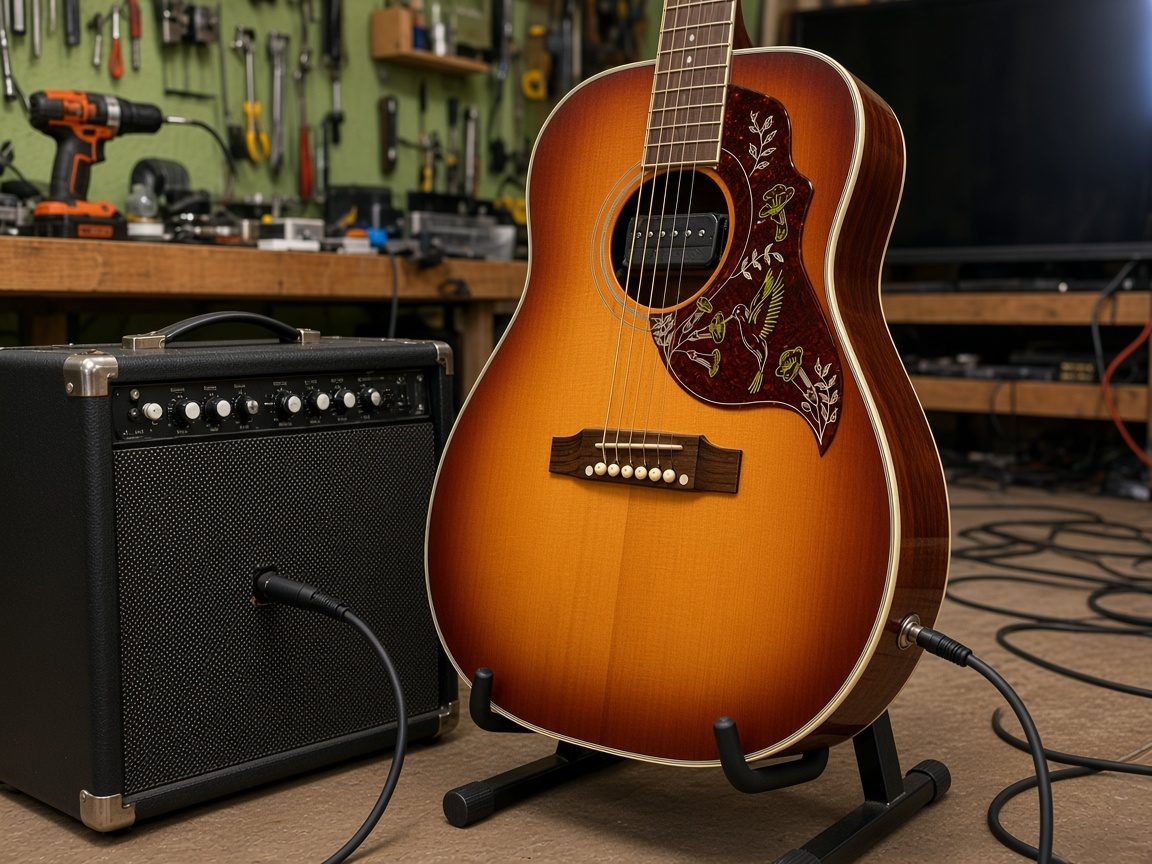
Amplified acoustic coupling
Technical condition: Acoustic coupling amplified. It should be confirmed by diagnosis and not just by symptom.
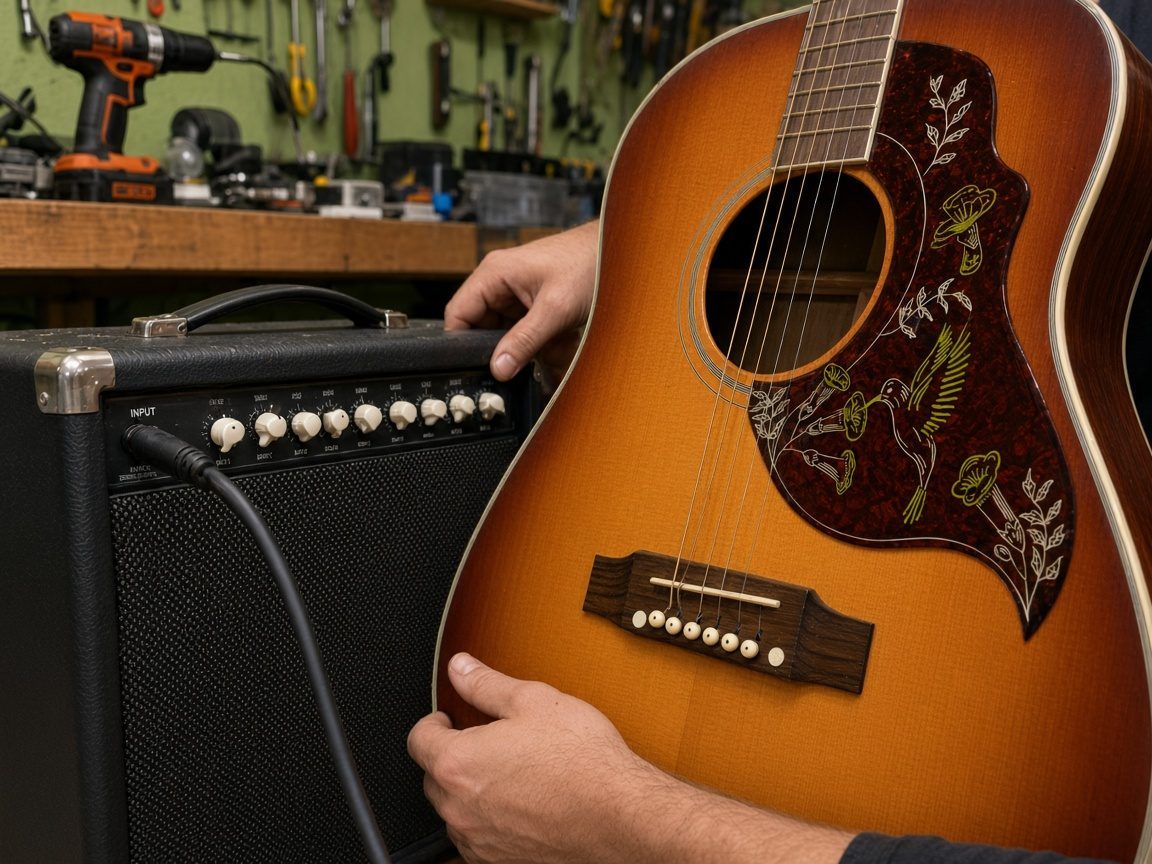
Low frequency electroacoustic feedback
Technical condition: low frequency electroacoustic feedback. It should be confirmed by diagnosis and not just by symptom.

Piezo undersaddle pinched or fractured
Technical condition: foot undersaddle clamped or fractured. It should be confirmed by diagnosis and not just by symptom.
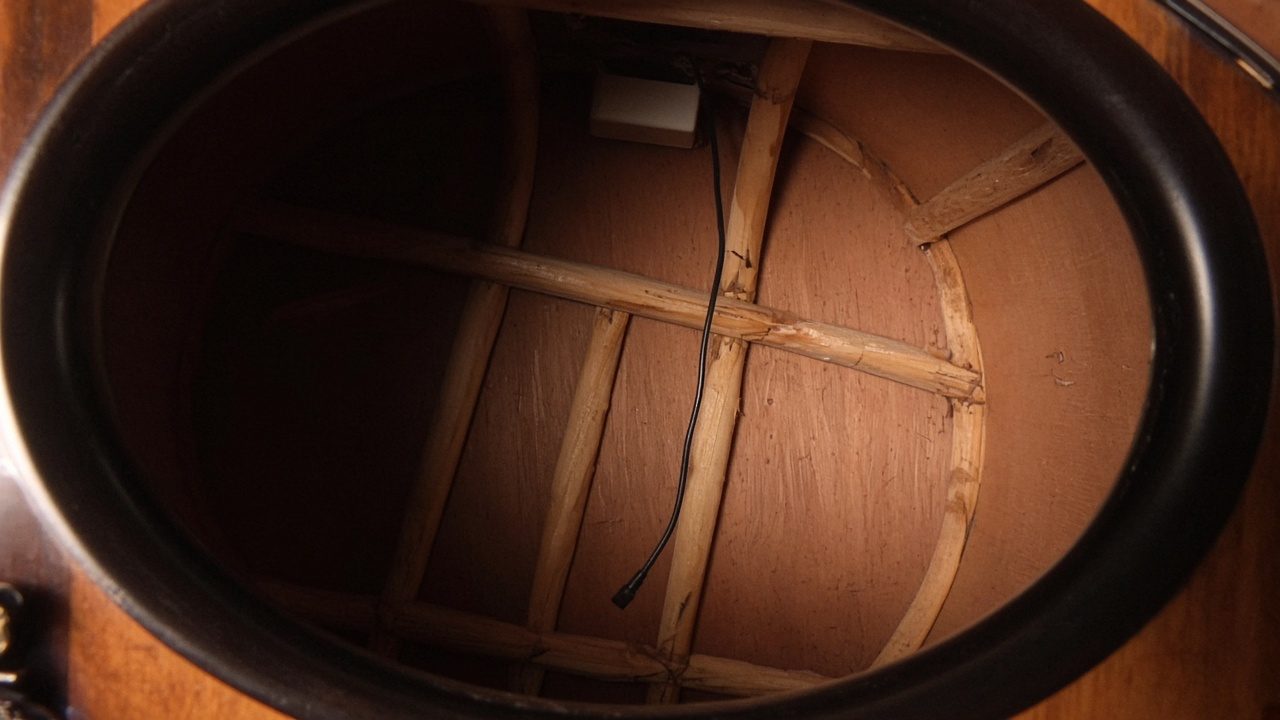
Foot cable hitting inside the box
Technical condition: foot cable hitting inside the box. It must be confirmed by diagnosis and not just by the symptom.
Navegación
Otras áreas del instrumento
FAQ
Preguntas frecuentes
¿Un buen previo arregla un piezo mal puesto?
Mejora control y a menudo el carácter, pero no corrige un asiento irregular bajo la cejilla. Primero el contacto mecánico.
¿Por qué suena tan distinto al micro de sala?
Porque captura otra cosa: vibración de puente/tapa frente a aire. Se busca una señal usable, no un clon del micro.
¿Puedo mezclar piezo y magnético?
Sí, con blender o sistemas duales. El equilibrio y la fase se ajustan; no siempre es plug-and-play.
¿La batería debe quitarse al guardar?
En muchos disconnect jacks se aísla al desenchufar. Si el sistema drena igual, se revisa. Baterías viejas no se dejan olvidadas años.
¿Feedback en acústica electrificada tiene solución?
Se mitiga con técnica, EQ, notch, colocación y a veces cambio de captación. Eliminarlo al 100% en escenario fuerte no siempre es realista.
¿Hace falta taladrar siempre para electrificar?
Casi siempre hay que prever endpin y a menudo batería. El alcance del mecanizado depende del sistema y del instrumento; te lo explicamos antes de tocar madera.
¿No tienes claro qué ocurre?
Cuéntanos el síntoma y el tipo de instrumento. Revisaremos qué intervención tiene sentido.
Solicitar diagnóstico