

Problemas
Electrónica y controles
Ruidos, cortes, pots irregulares o un jack flojo suelen ser fallos de circuito, masa o soldadura. En taller contrastamos el camino de señal sobre el instrumento real. · 53 problemas documentados
Contexto
Qué cubre esta categoría
La electrónica pasiva o activa de una guitarra o bajo es un camino de señal con muchos puntos de fallo: jack, soldaduras, potenciómetros, condensadores, selector, mallas y masas. Un crujido al girar el volumen no es el mismo problema que un hum de masa o un corte al mover el cable.
En Raven diagnosticamos con método: del jack hacia dentro, comprobando continuidad, integridad de soldaduras y estado de componentes antes de «cambiarlo todo». No somos servicio oficial de ninguna marca; trabajamos el circuito que hay, con recambios coherentes y sin vender upgrades que no atacan el fallo.
Esta categoría orienta sobre circuito, controles y conectores. La reparación o mejora se confirma en taller; manipular soldaduras sin experiencia puede dejar el instrumento peor y, en activos, dañar el previo.
Muchos «fallos de electrónica» empiezan en el jack o en el cable. Por eso el diagnóstico incluye descartar lo externo antes de abrir cavidades. Cuando sí hay que entrar, trabajamos con orden: fotos o mapa mental del cableado, componentes uno a uno, masas limpias. Un upgrade de pots de moda no sustituye una soldadura fría encontrada a tiempo.
Orientación
Qué tipo de problemas encontrarás aquí
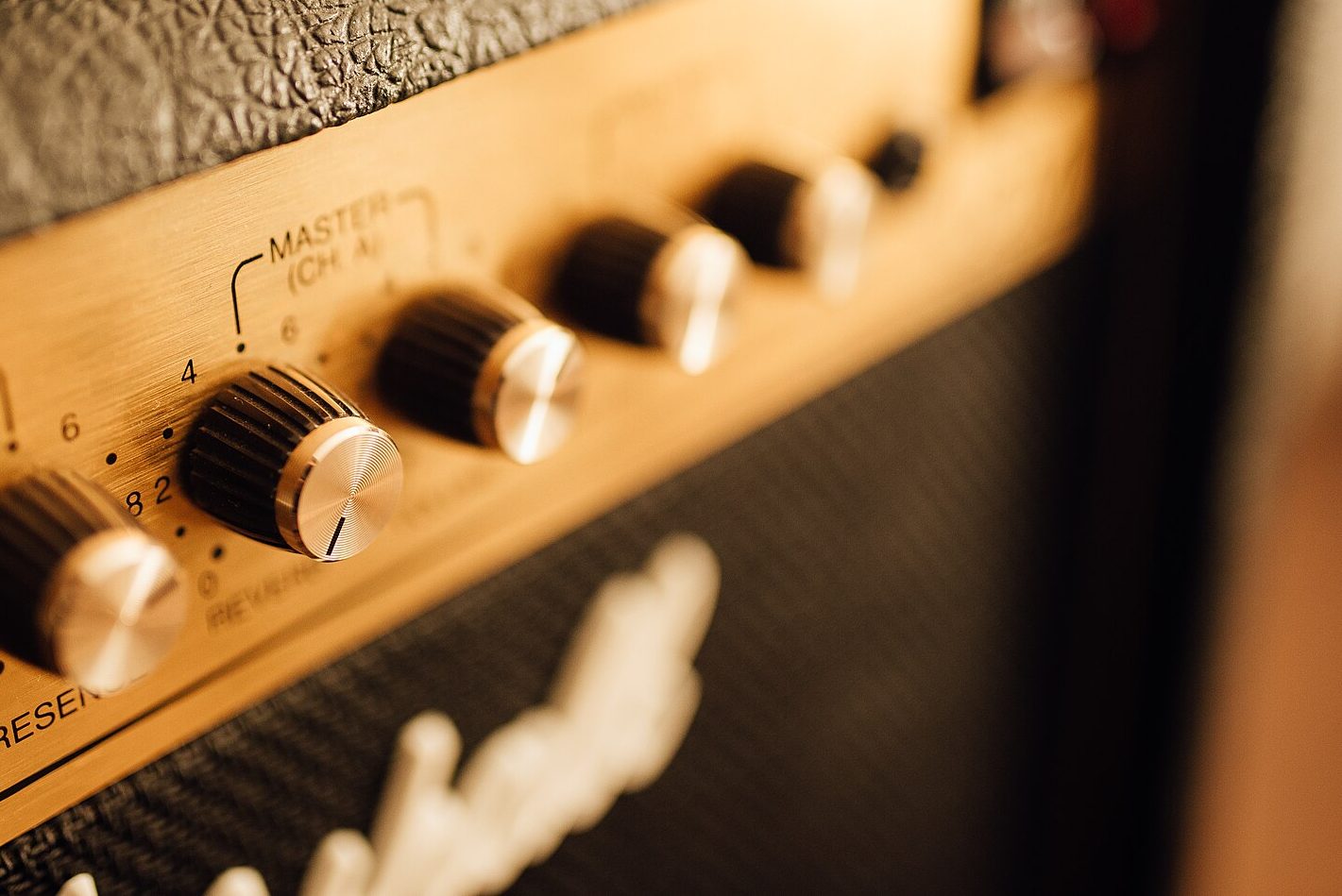
Agrupación por síntoma de circuito:
- Cortes o señal intermitente — al mover cable, jack, selector o al tocar la pala/cuerpo.
- Ruidos de potenciómetro o selector — crujidos al girar o al cambiar posición.
- Problemas de masa y hum — zumbido que cambia al tocar las cuerdas o los shields.
- Desequilibrios o pérdidas de volumen — una posición muda, volumen que no llega a cero, etc.
- Alimentación en circuitos activos — batería, disconnect jack, fallos de previo embarcado.
Diagnóstico
Un mismo síntoma puede tener varias causas
Un «no suena» puede ser jack, cable, pastilla abierta, soldadura fría o selector oxidado. Un hum fuerte puede ser masa incompleta, apantallado pobre, pastilla microfónica o entorno eléctrico… no siempre «la guitarra está mal». Un pot que «salta» puede limpiarse o puede estar agotado; no se diagnostica solo por el ruido.
Por eso aislamos tramo a tramo en el instrumento, en lugar de cambiar pastillas a la primera.
El crujido al girar el tono puede ser el pot… o un cable que se tensa al girar. El corte al sentarse en una acústica electrificada a menudo es el endpin, aunque el músico jure que es «el previo». Aislar el gesto que dispara el fallo ahorra piezas.
Revisión
Qué se revisa en el taller
En el diagnóstico de electrónica revisamos:
- Jack de salida, retención y soldaduras.
- Continuidad de masas y estado de apantallados/cavidades.
- Potenciómetros, condensadores y selector (contacto y valores coherentes).
- Soldaduras frías, cables pelados o puentes dudosos.
- En activos: tensión de batería, disconnect y comportamiento del previo.
- Separación entre fallo de circuito y fallo de pastilla/captación.
En selectores multicontacto comprobamos cada posición; en push-pull y blends, cada función. Si hay apantallado, miramos continuidad real a masa, no solo si «hay cinta de cobre». Los activos se miden con atención a la batería bajo carga, no solo al voltaje en vacío.
Si el instrumento ha sido modificado por varios dueños, reconstruimos el mapa real del cableado: a veces hay puentes ocultos o masas duplicadas que explican ruidos «imposibles». Preferimos dejar el circuito comprensible para el próximo servicio.
Esta información orienta. El diagnóstico definitivo depende del instrumento concreto.
Precaución
Cuándo conviene no seguir manipulando el instrumento
Importante: no sueldes a ciegas sobre circuitos activos con batería conectada, ni uses limpiadores agresivos que dejen residuo conductor. Evita «puentear» controles con apaños que puedan cortocircuitar pastillas o previos.
Si hay olor a quemado, componentes calientes, batería hinchada o chispas en el jack, deja de usar el instrumento y pásalo por taller. Seguir alimentando un activo en fallo puede destruir el previo.
Desconecta la batería en activos antes de soldar. No uses el amp como «continuidad» a volumen alto: un cortocircuito se oye… y a veces se huele. Si no sueldas a menudo, el taller evita que un jack nuevo quede peor que el viejo.
Evita mezclar limpia-contactos con residuos que queden conductores entre pistas. Un corto intermitente tras «limpiar» es más molesto que el crujido original.
53 problemas
Problemas en esta categoría
Wiring 50s or modern poorly executed
Technical condition: 50s or modern wiring, poorly executed. It must be confirmed through diagnosis and not just by the symptom.
Phase switch with unexpected signal loss
Technical condition: phase switch with unexpected signal loss. It must be confirmed through diagnosis and not just by the symptom.
Blower switch or direct bypass defective
Technical condition: defective blower switch or direct bypass. It must be confirmed through diagnosis and not just by the symptom.
Contact bounce switch
Technical condition: kill switch with contact bounce. It must be confirmed through diagnosis and not just by the symptom.
Loose battery hitting inside cavity
Technical condition: Battery loose hitting inside cavity. Must be confirmed through diagnosis and not just by the symptom.
Metallic cover without ground
Technical condition: metallic cover without ground. It must be confirmed through diagnosis and not just by the symptom.
Intermittent barrel jack
Technical condition: intermittent barrel jack. Must be confirmed through diagnosis and not just by the symptom.
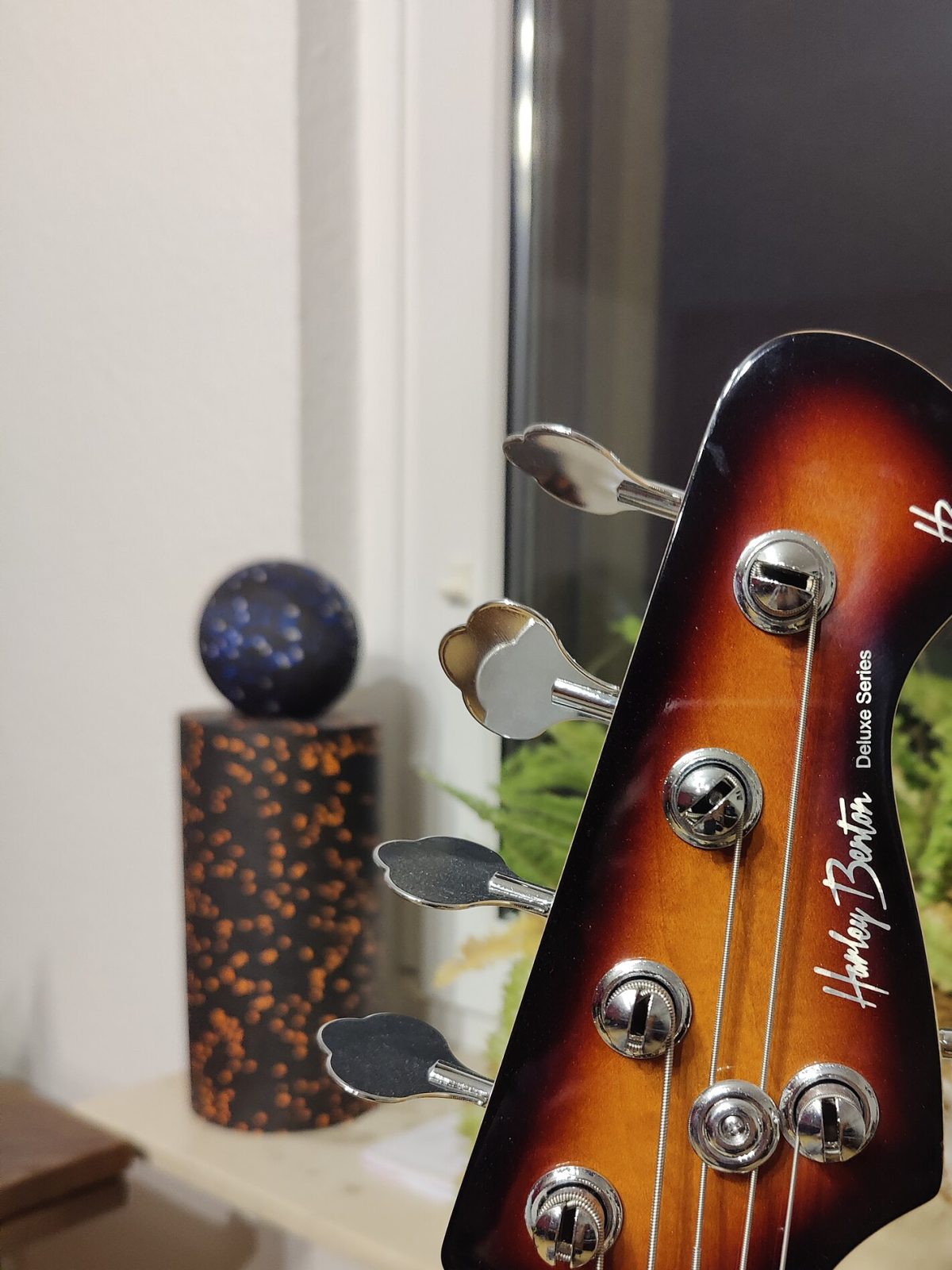
Output jack recessed loose or turned
Technical condition: output jack recessed loose or turned. It must be confirmed through diagnosis and not just by the symptom.
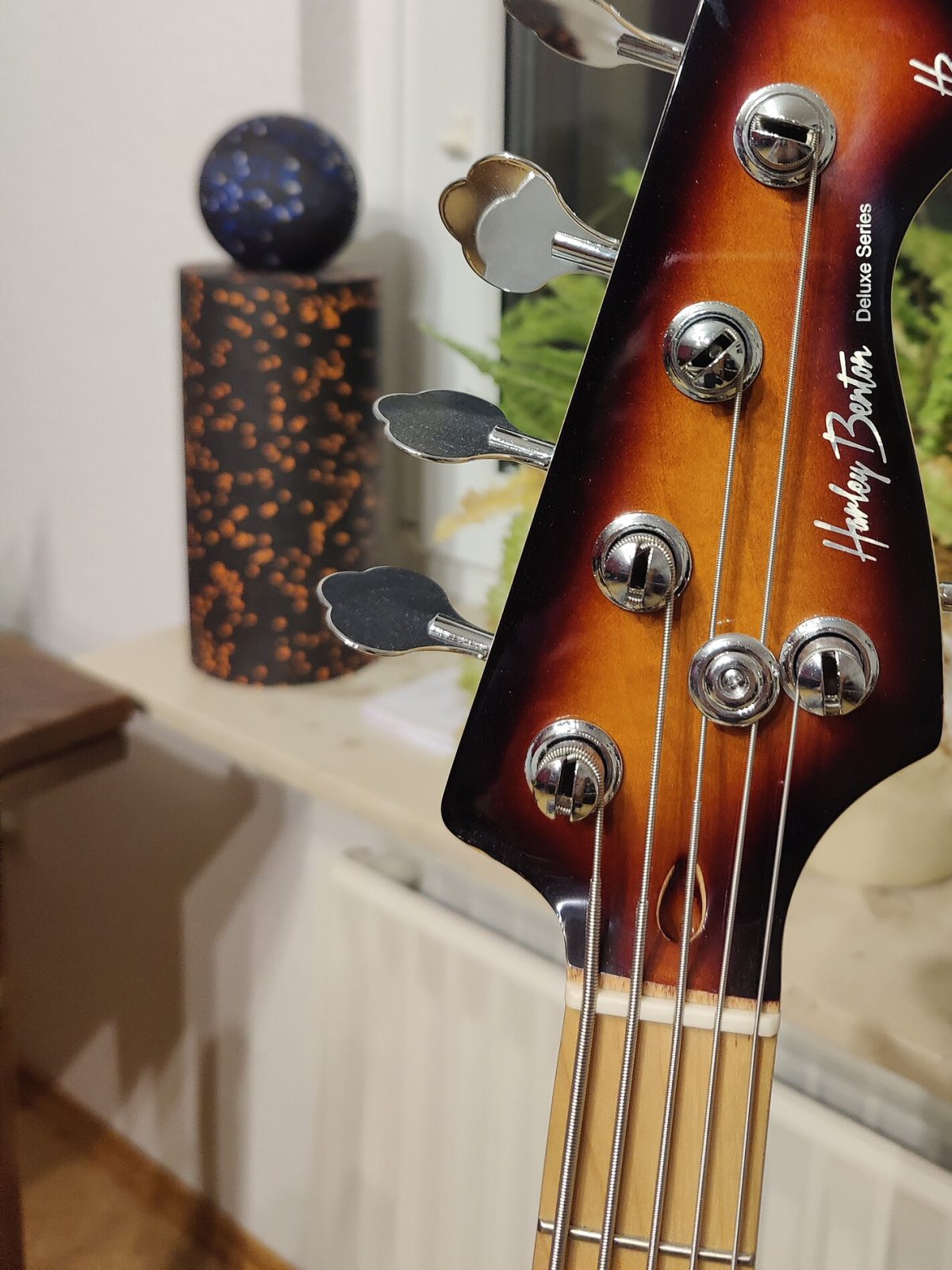
Output jack with insufficient contact clip
Technical condition: output jack with insufficient contact pin. It must be confirmed through diagnosis and not just by the symptom.
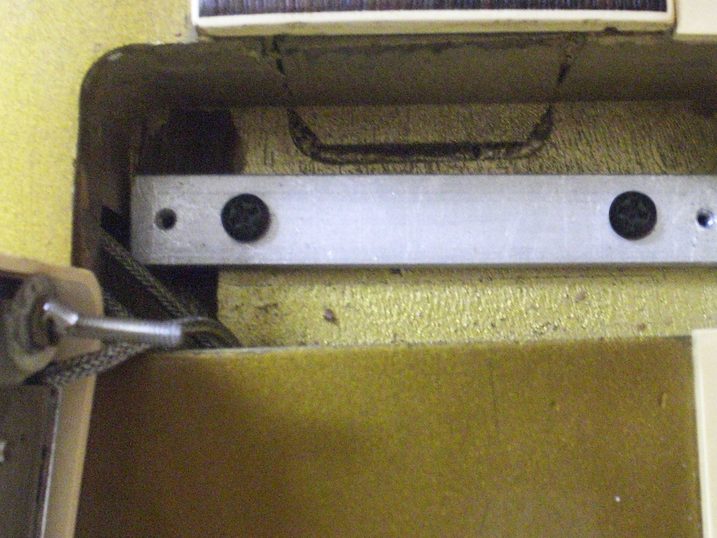
Ground loop via multiple paths
Technical condition: ground loop via multiple paths. It must be confirmed through diagnosis and not just by the symptom.
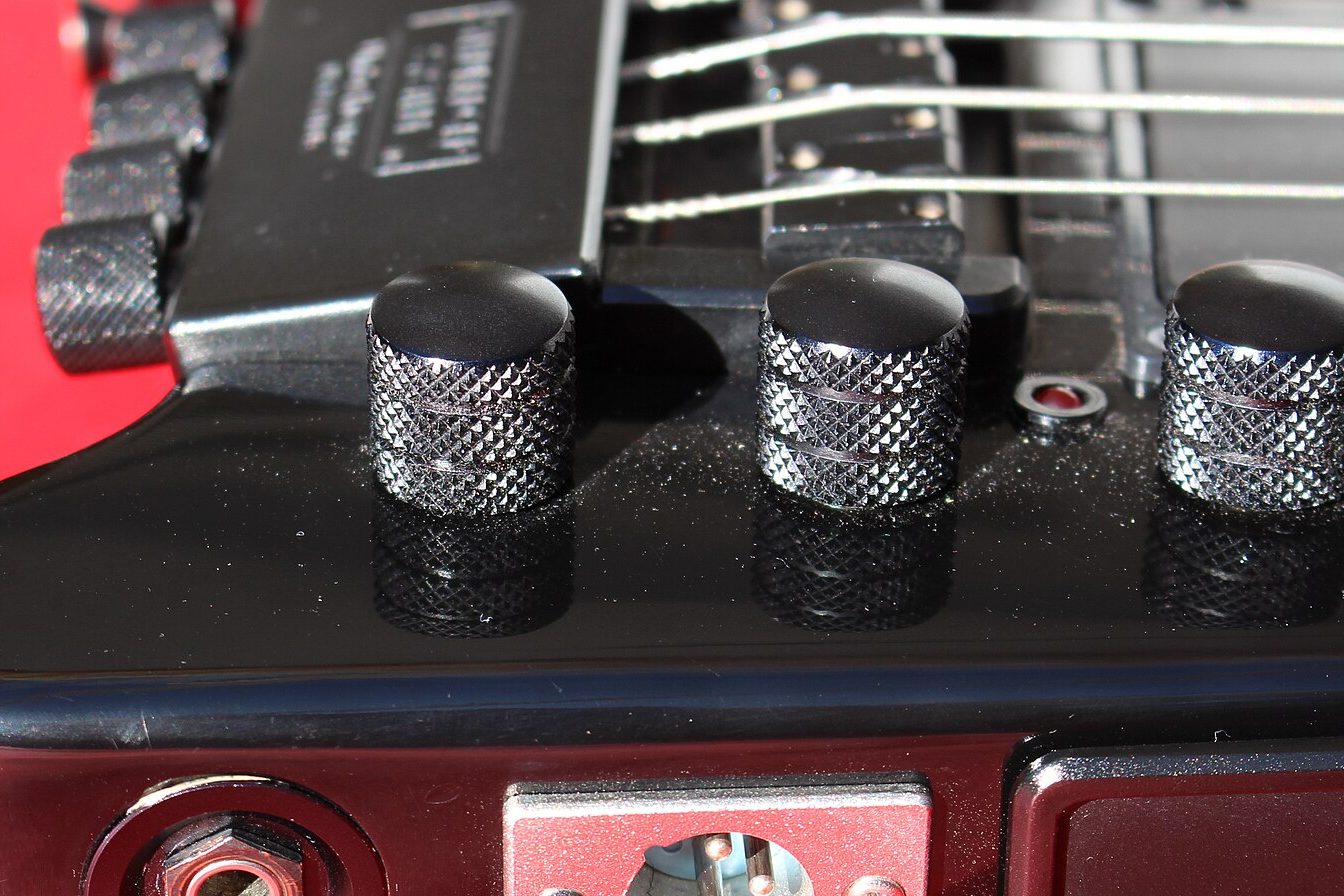
Active equalizer with inoperative band
Technical condition: active equalizer with an inoperative band. It must be confirmed through diagnosis and not just by the symptom.
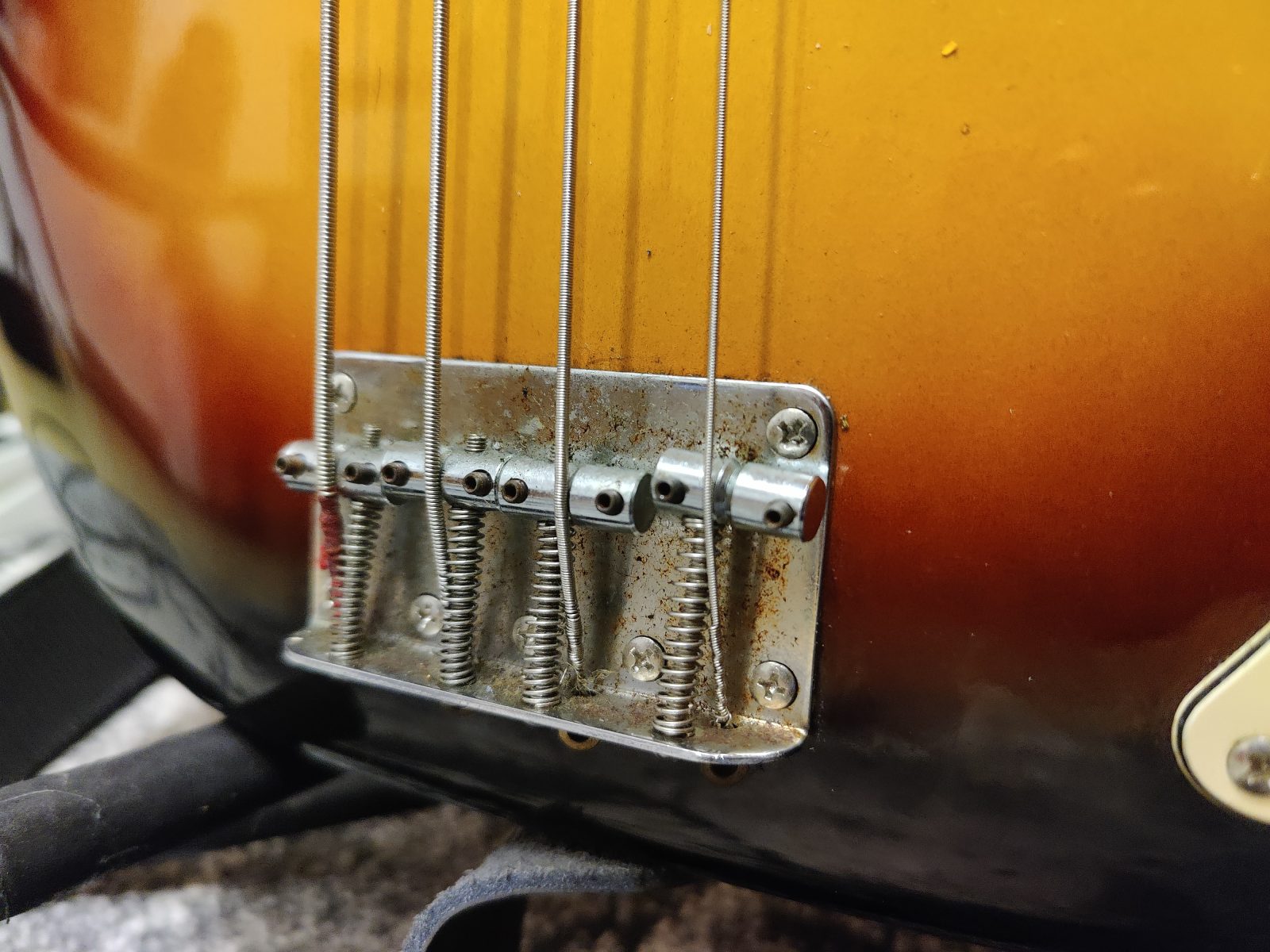
Potentiometer blend with offset center point
Technical condition: potentiometer blend with shifted center point. It must be confirmed through diagnosis and not just by the symptom.
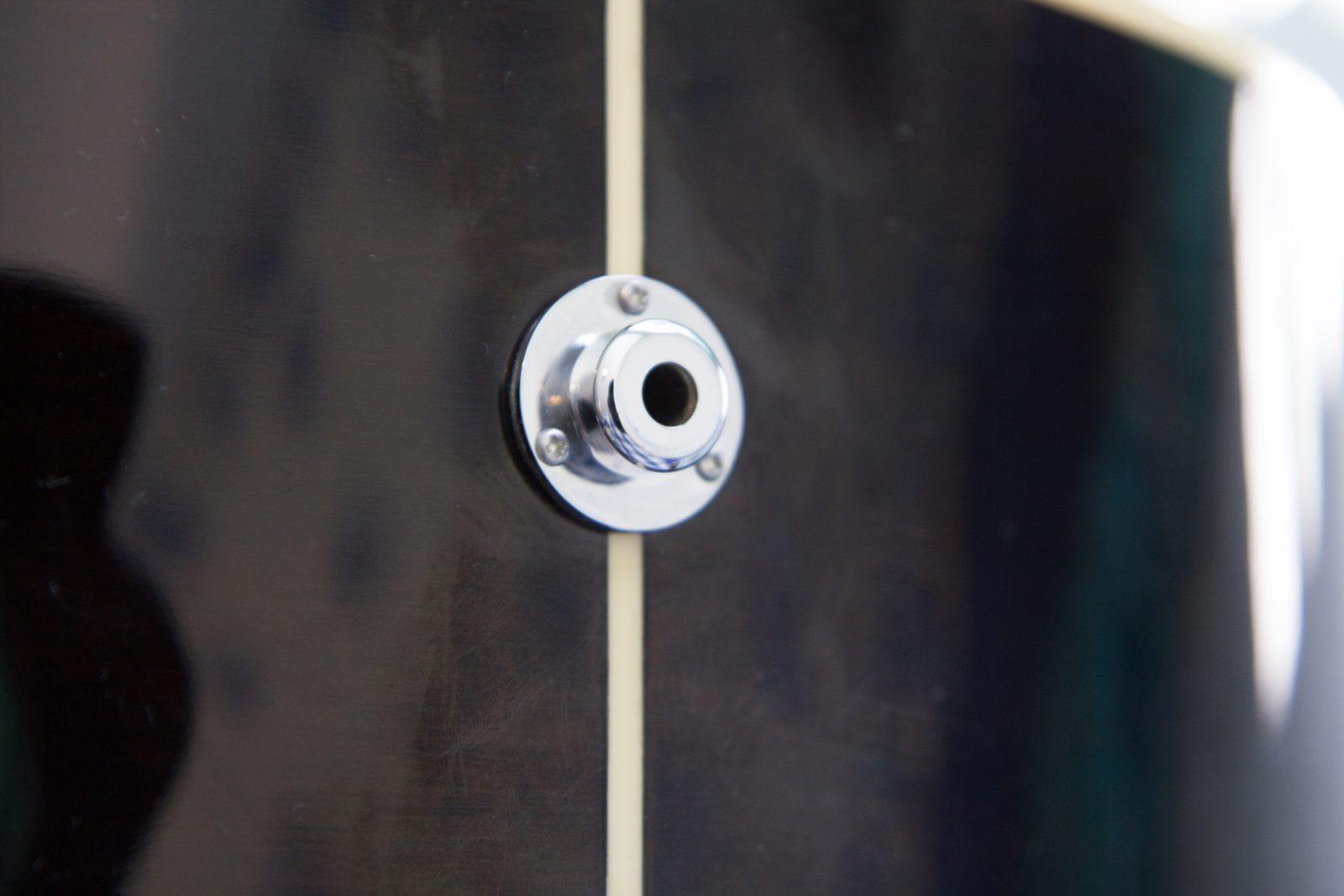
Active-passive wiring incorrectly configured
Technical condition: active-passive wiring incorrectly installed. It must be confirmed through diagnosis and not just by the symptom.

Internal gain trimmer improperly adjusted
Technical condition: internally adjusted gain trimmer is improperly set. It must be confirmed through diagnosis and not just by the symptom.

Unusual battery consumption in active bass
Technical condition: abnormal battery consumption in active bass. It must be confirmed through diagnosis and not just by the symptom.
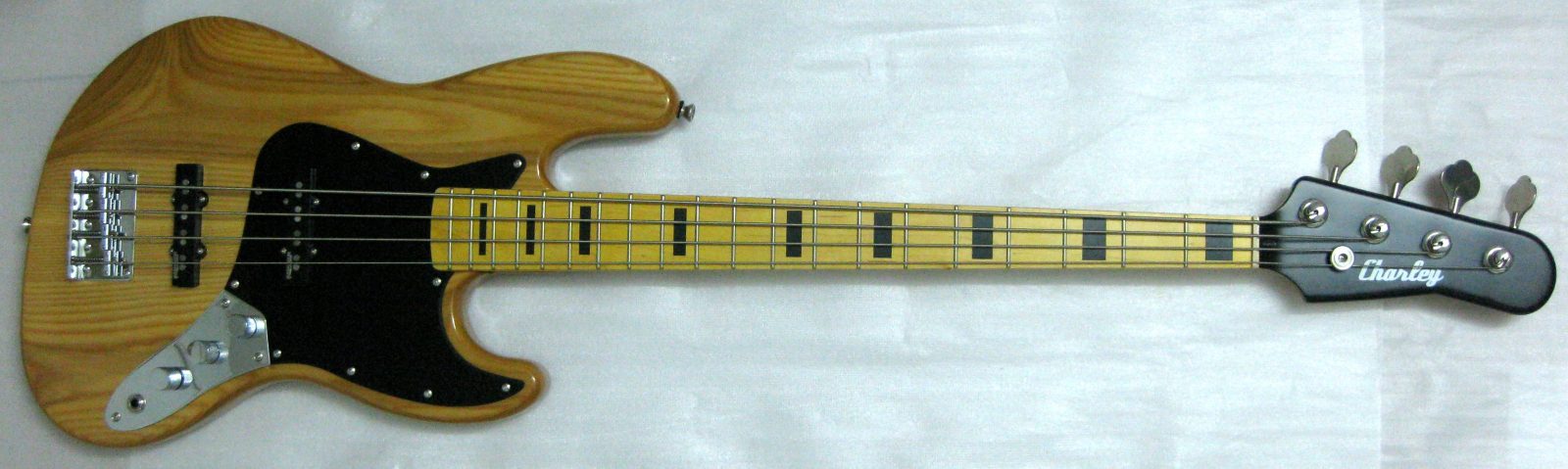
Stereo jack does not disconnect the battery
Technical condition: stereo jack does not disconnect the battery. It must be confirmed through diagnosis and not just by the symptom.

Bass battery switch clip
Technical condition: intermittent bass battery clip. Must be confirmed through diagnosis and not just by the symptom.
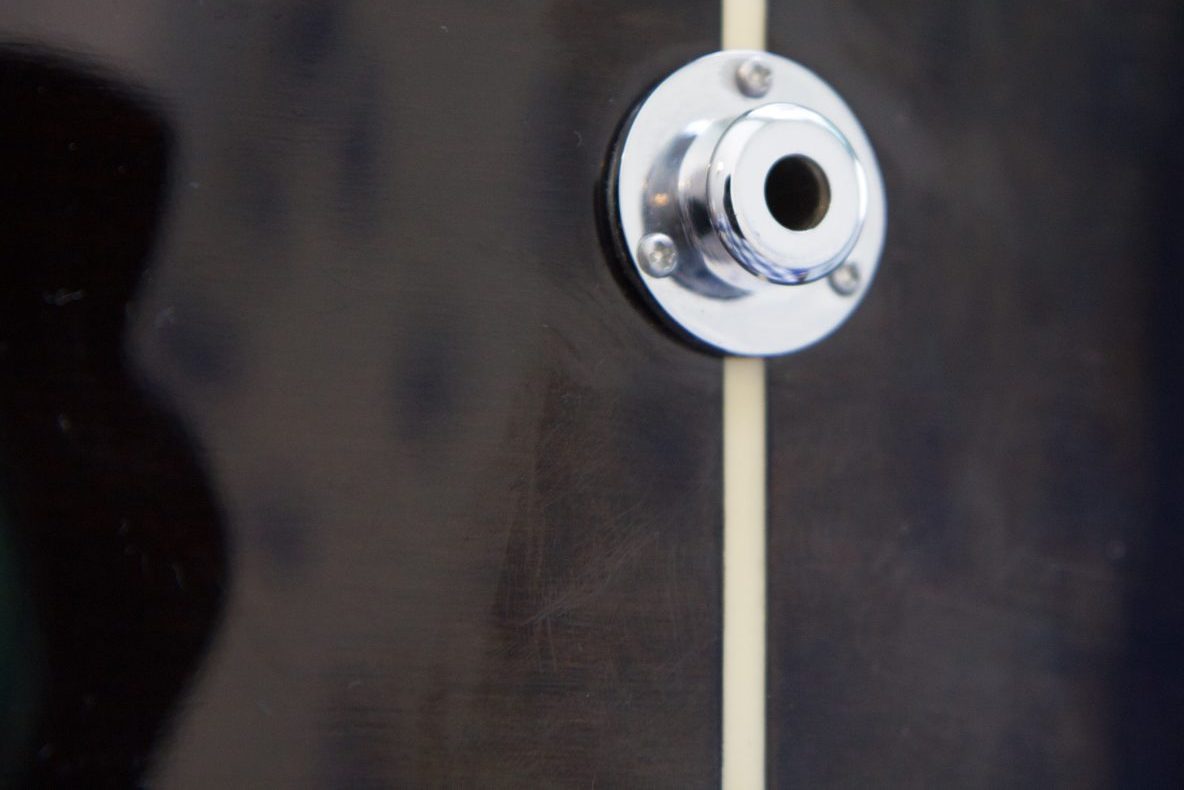
18 V circuit incorrectly wired
Technical condition: 18 v circuit incorrectly wired. Must be confirmed through diagnosis and not just by the symptom.
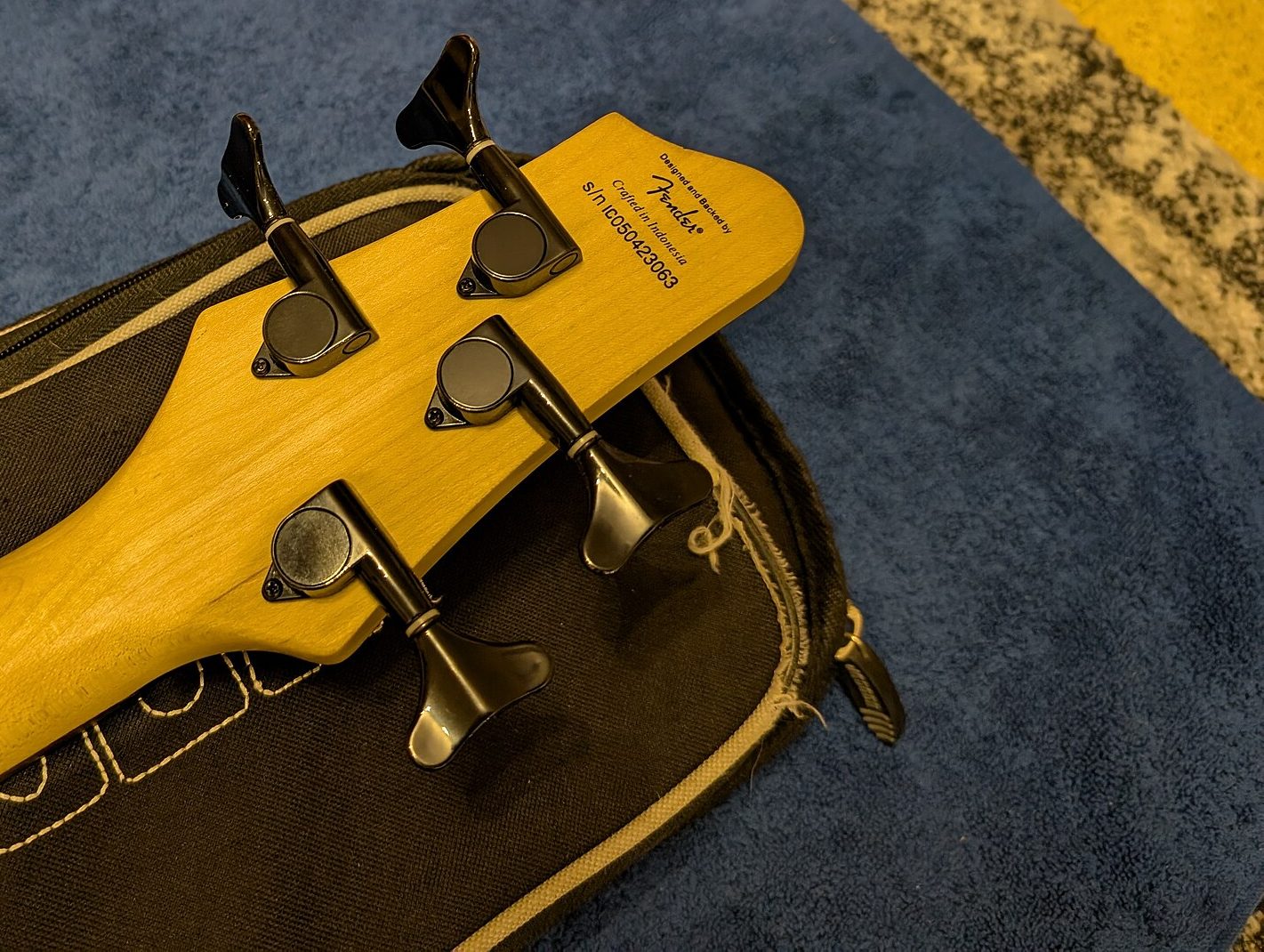
Bar soap with defective coil selector
Technical condition: soapbar with defective coil selector. It must be confirmed through diagnosis and not just by the symptom.

Active circuit with premature clipping
Technical condition: active circuit with premature clipping. It must be confirmed through diagnosis and not just by the symptom.
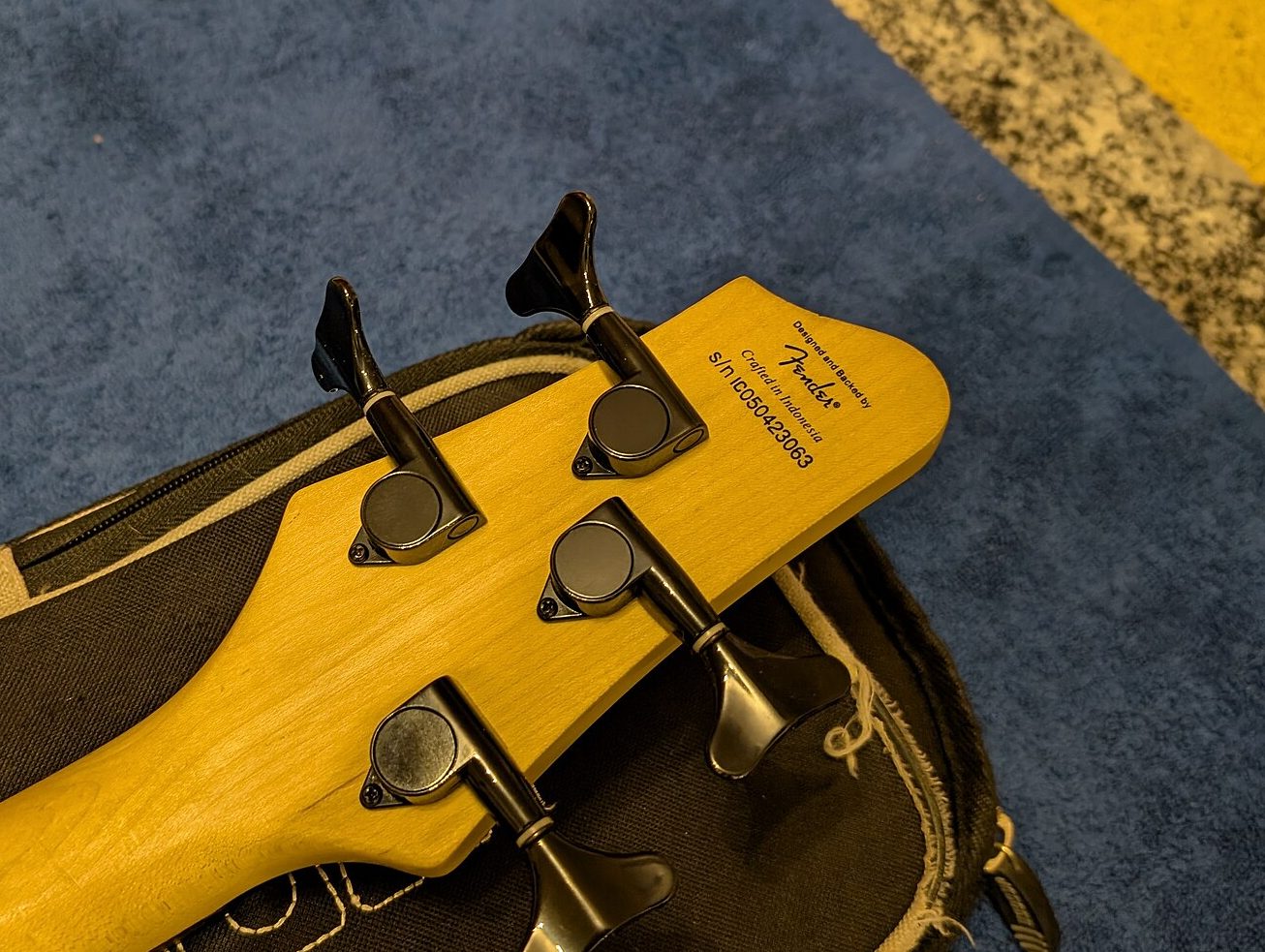
Unbalanced dual batteries
Technical condition: Unbalanced dual batteries. Must be confirmed through diagnosis and not just by the symptom.

Battery cable crimped by top
Technical condition: Battery cable pinched by top. Must be confirmed through diagnosis and not just by the symptom.
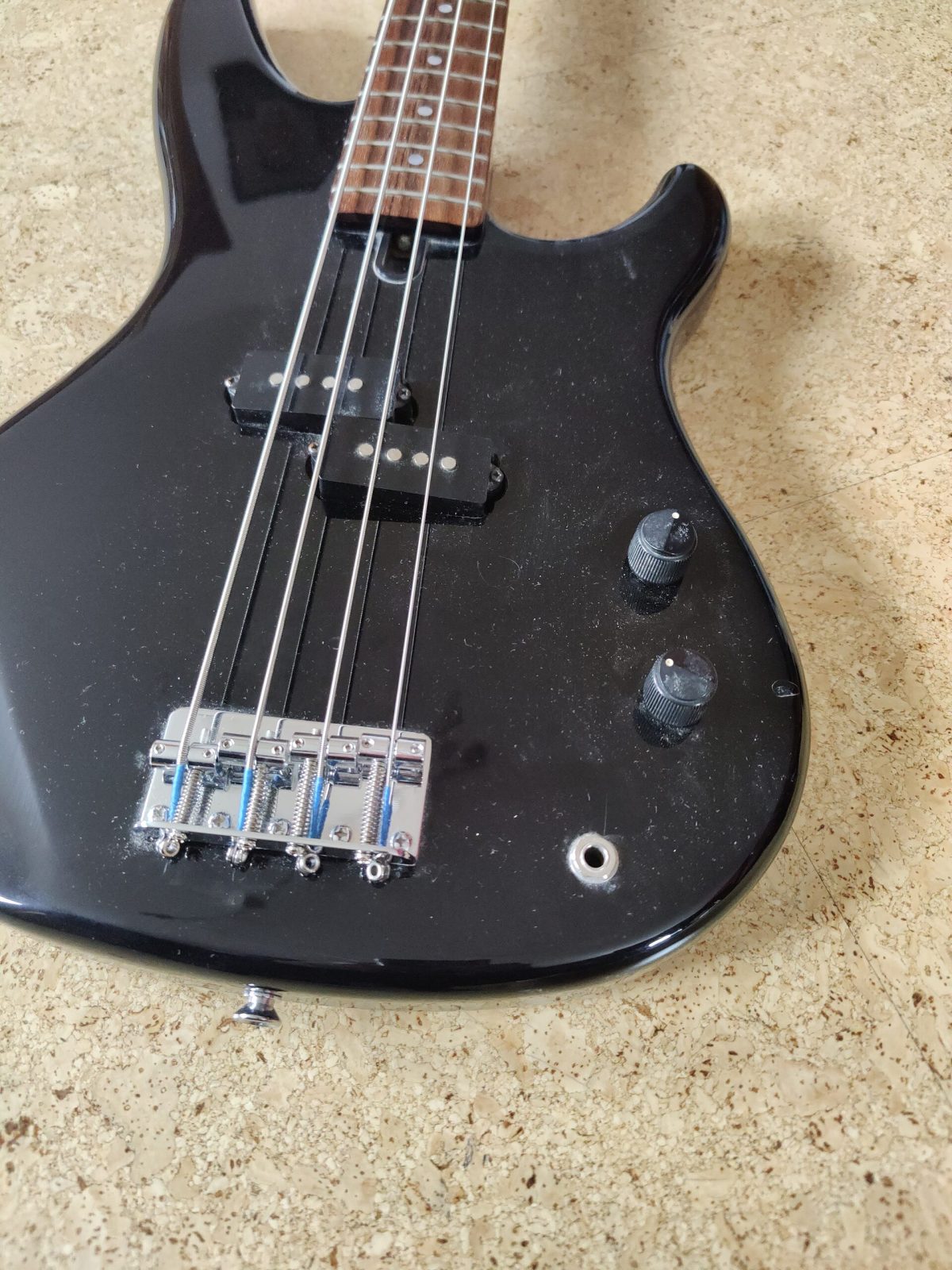
LED markers drain the battery
Technical condition: LED markers drain the battery. It must be confirmed through diagnosis and not just by the symptom.
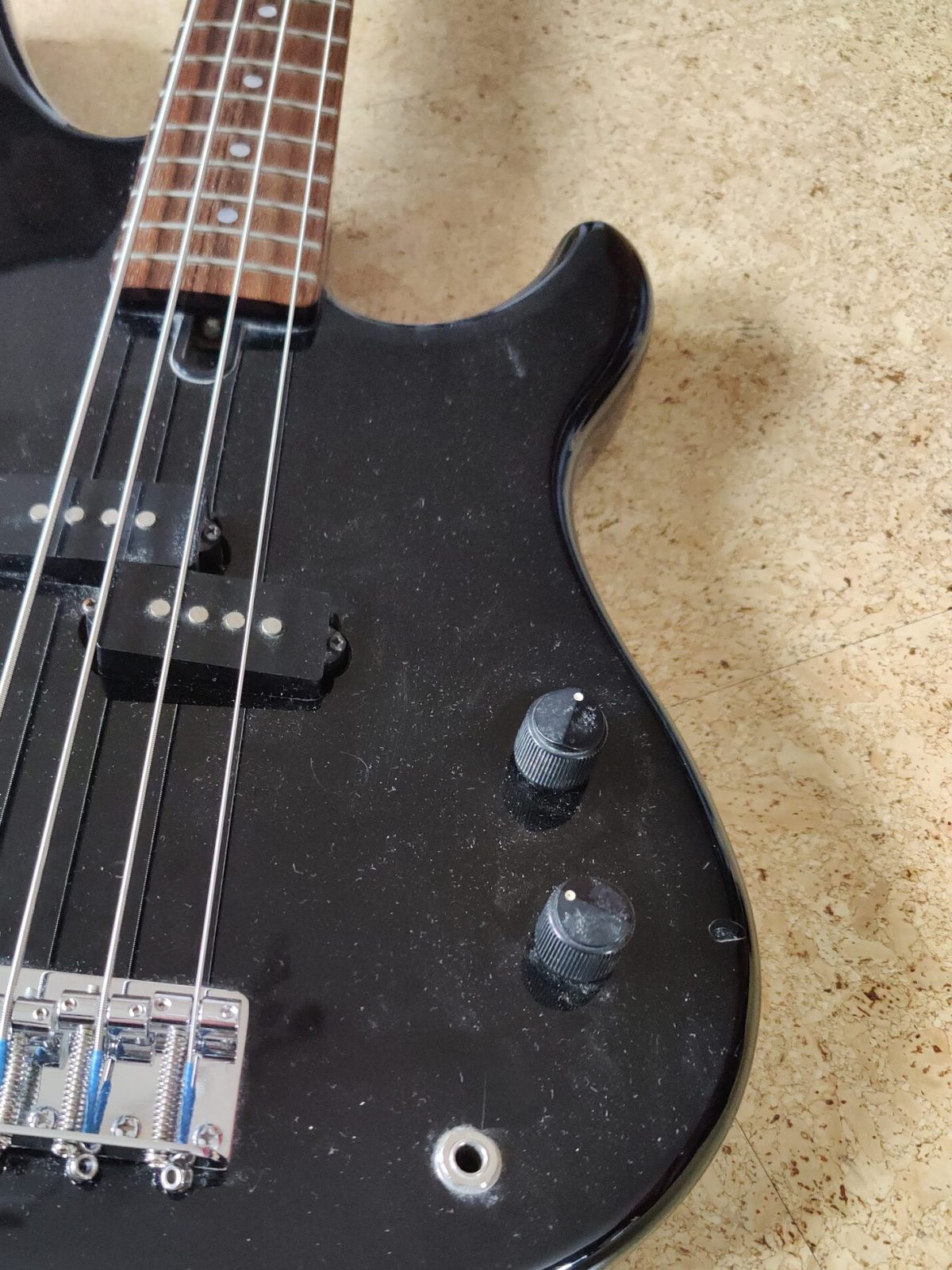
Electronic compartments without common ground
Technical condition: electronic compartments without common ground. It must be confirmed through diagnosis and not just by the symptom.
Taller
Servicios relacionados
Enlaces a servicios reales vinculados a problemas de esta categoría. La intervención concreta se confirma tras revisar el instrumento.
Navegación
Otras áreas del instrumento
FAQ
Preguntas frecuentes
¿Un spray en el pot lo deja nuevo?
A veces recupera el contacto temporalmente. Si el track está gastado, el ruido vuelve: entonces toca sustituir.
¿El hum es siempre mala masa?
No. Puede ser entorno, single coils, cables, o apantallado incompleto. Se contrastan causas.
¿Puedo cambiar el condensador de tono yo?
Si sabes soldar y el valor/tipo encajan. Un valor incorrecto o una soldadura fría empeoran el circuito.
¿Jack flojo se arregla apretando la tuerca?
A veces. Si la soldadura interna está rota, apretar por fuera no basta y puede girar el jack rompiendo cables.
¿Activo y pasivo se diagnostican igual?
El método es similar en el camino de señal, pero los activos añaden alimentación y previo: hay más puntos sensibles.
¿Hace falta blindar siempre la cavidad?
No siempre. Se valora según ruido real, tipo de pastillas y construcción. El blindaje mal hecho puede empeorar masas.
¿No tienes claro qué ocurre?
Cuéntanos el síntoma y el tipo de instrumento. Revisaremos qué intervención tiene sentido.
Solicitar diagnóstico